Opens in a new tab

Signs Your Water Pump Is Failing

The usual signs are coolant leaking near the front of the engine, a whine or grinding noise from the pump, and an engine that runs hotter than normal. A hose, a thermostat or a fan can cause the same signs, so the pump is tested before it is blamed.

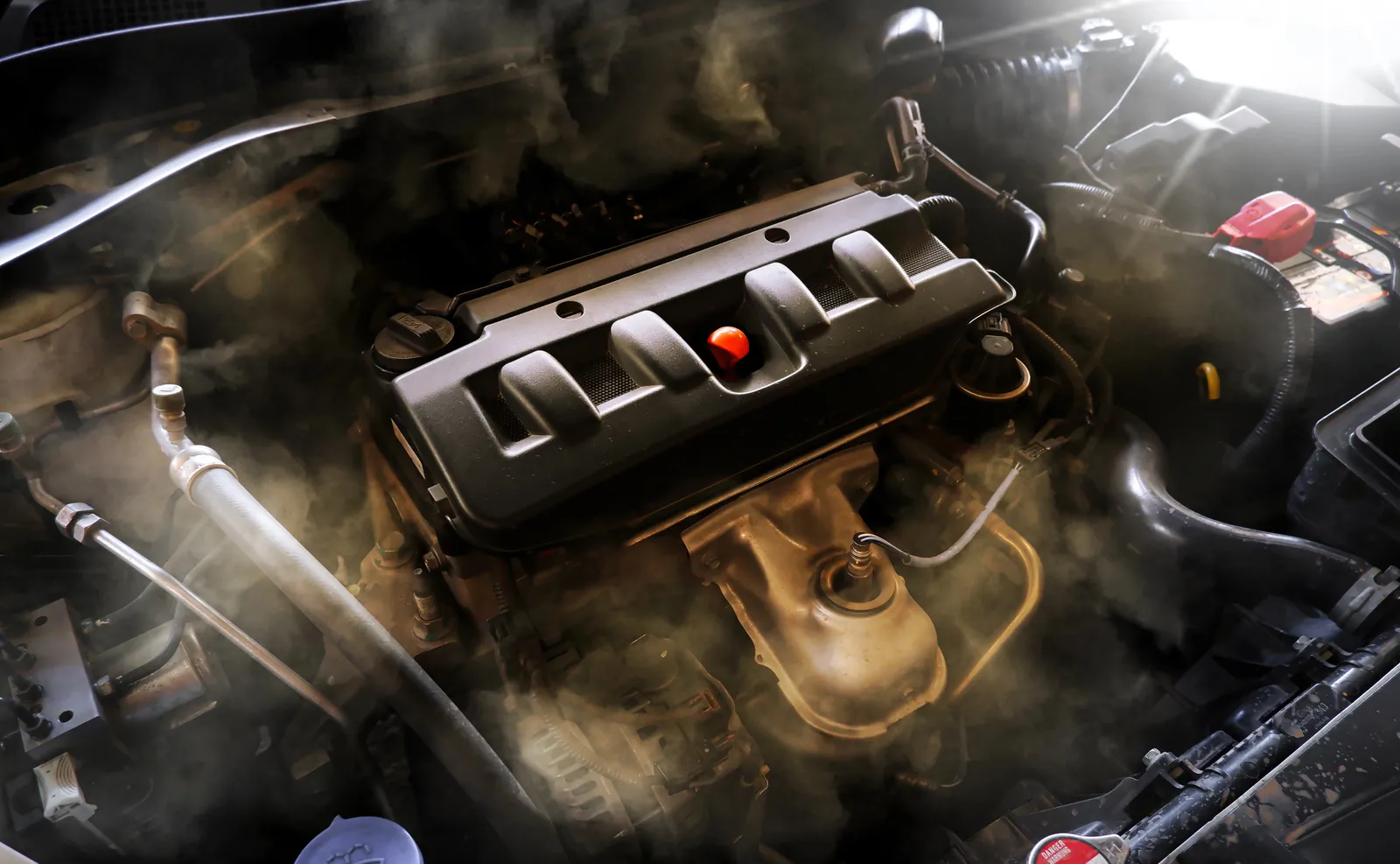
Steam rising from the engine bay of a car

Bad water pump symptoms tend to show up as a leak, a noise or heat: coolant escaping where the pump sits, a worn bearing making itself heard, or a temperature gauge that climbs because coolant is not circulating as it should. A pump can show one of these with no trace of the others.

None of them proves the pump has failed. Hoses and radiators leak coolant too, the belt-driven parts beside the pump make similar noises, and overheating has a long list of possible causes.

When testing shows the pump is the cause, water pump replacement is a repair Golden Star Mobile Mechanics performs at the vehicle.

What the Water Pump Does

The water pump keeps coolant moving. An impeller inside it pushes coolant through the engine, where it picks up heat, out to the radiator, where the heat is released, and back again. A seal around the pump’s shaft keeps the coolant in, and a bearing supports the shaft as it spins.

How the pump is driven depends on the engine. Many are turned by the accessory belt at the front of the engine. Others are driven by the timing belt or chain, behind a cover. Some vehicles use an electric pump.

Signs That Can Point to the Water Pump

Coolant near the front of the engine

Many pumps have a small weep hole below the shaft seal. When the seal wears, coolant seeps out there. You may see a drip, a wet streak or a dried crusty trail in the color of your coolant on or below the pump, a puddle under the front of the engine, or a reservoir level that keeps falling. Where the pump sits behind the timing cover, the first sign can be coolant appearing at the bottom of that cover.

A whine, growl or grinding noise

A worn pump bearing makes a noise that rises and falls with engine speed. A bearing with play also lets the shaft wobble, which wears the seal, so noise and leaking often arrive together. A belt, a tensioner, an idler pulley and an alternator can sound much the same.

A gauge that reads hotter than usual

If the impeller is corroded, worn or loose on its shaft, the pump can turn without moving enough coolant, and the engine runs hot. A heater that blows cool air while the engine is hot can be a sign of poor circulation or low coolant.

Steam or a sweet smell

Coolant landing on hot parts turns to steam and gives off a sweet smell. If you see steam or the gauge nears the hot end, stop in a safe place and shut the engine off. The radiator cap stays closed until the engine has cooled.
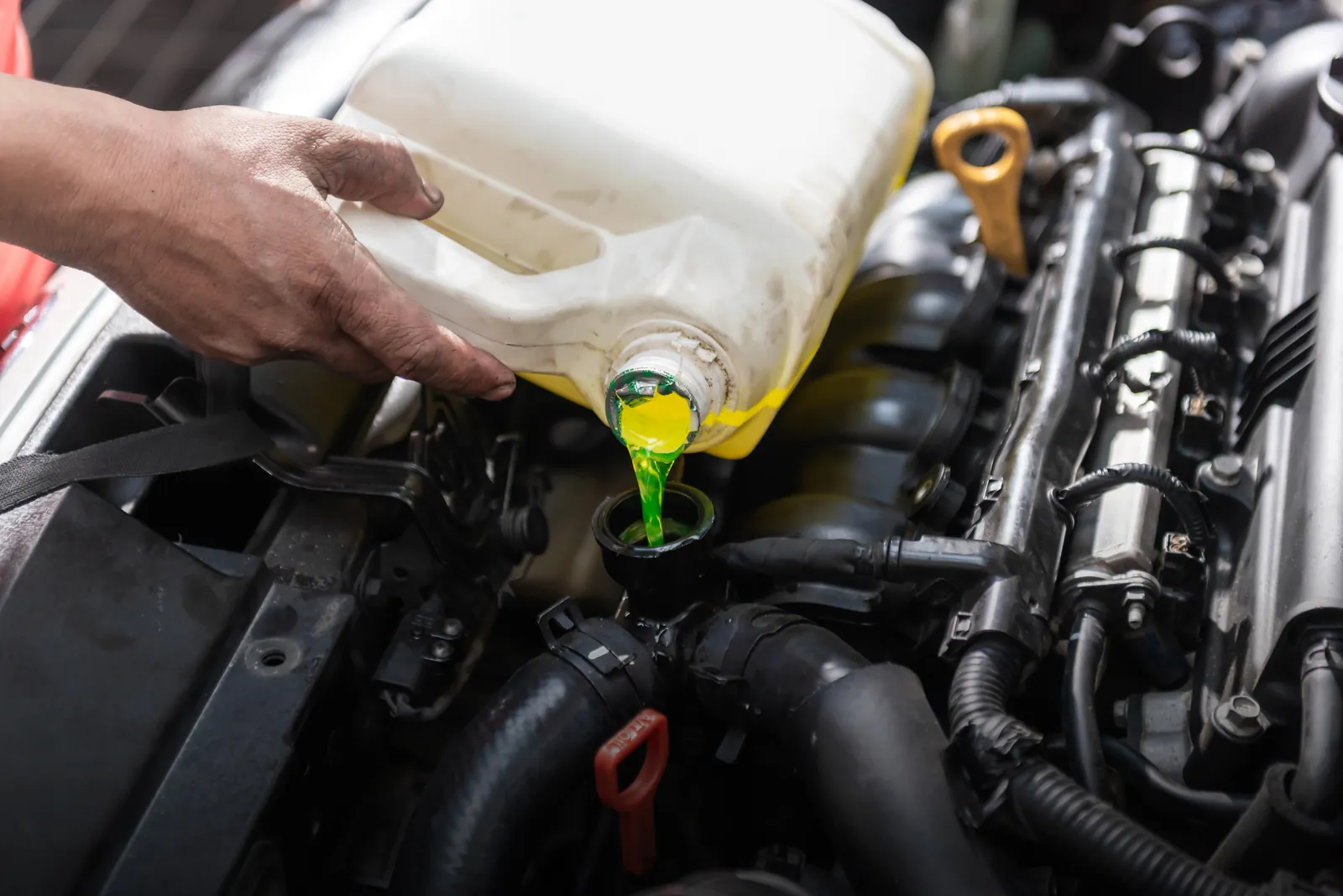
One hand pouring green coolant from a jug into a car radiator filler neck

Other Faults That Look the Same

  • A leaking hose, hose clamp or radiator.
  • A radiator cap that no longer seals.
  • A thermostat that sticks, or a thermostat housing that leaks. The housing often sits close to the pump.
  • A cooling fan that has stopped working.
  • A worn belt or weak tensioner, which can make noise or let the pump turn too slowly.
  • A failing head gasket, which can use up coolant with no leak to be seen.

Can You Keep Driving?

A light seep with a steady coolant level and a normal gauge is a repair to plan soon. Check the level with the engine cold and keep an eye on the gauge until then.

A pump that drips steadily, grinds or lets the engine run hot should not be driven on. Overheating can damage an engine, and a bearing that seizes can throw or shred the belt. Where the timing belt drives the pump, a seized pump can take the timing belt with it, and on some engines that causes internal damage. For that reason the pump and the timing belt are often replaced together on those engines.

How a Water Pump Is Checked

With the engine cold, the pump area is inspected for wet coolant and dried residue, and the belt for wear. With the engine off, the pulley is checked by hand for play and roughness. Pressurizing the cooling system shows where coolant escapes. As the engine warms up, the mechanic watches for coolant circulating, the thermostat opening and the fans coming on.

How large the job is depends on the engine. Some pumps sit in plain view at the front. Others are behind the timing cover, and reaching them means taking the timing drive apart.

Testing comes first, to confirm what is leaking or making the noise. When the pump is the cause, Golden Star can replace the water pump at your vehicle.

Have the Water Pump Checked

Describe the leak, the noise or the gauge reading, and how long it has been going on. We review what you describe about the cooling system and contact you to confirm fit and timing. To talk through the symptoms instead, call or text.