
Low refrigerant from a leak
A frequent reason a car AC is not cold is refrigerant that has escaped through a leaking hose, seal, condenser or evaporator.
AC blowing hot air, cooling only while the car is moving, or weak air from the vents can each have several causes, from a refrigerant leak to an electrical fault.
Golden Star Mobile Mechanics provides mobile car AC repair in Las Vegas and comes to where your vehicle is. The system is tested first so the cause is confirmed, and you get a written estimate before any work begins.
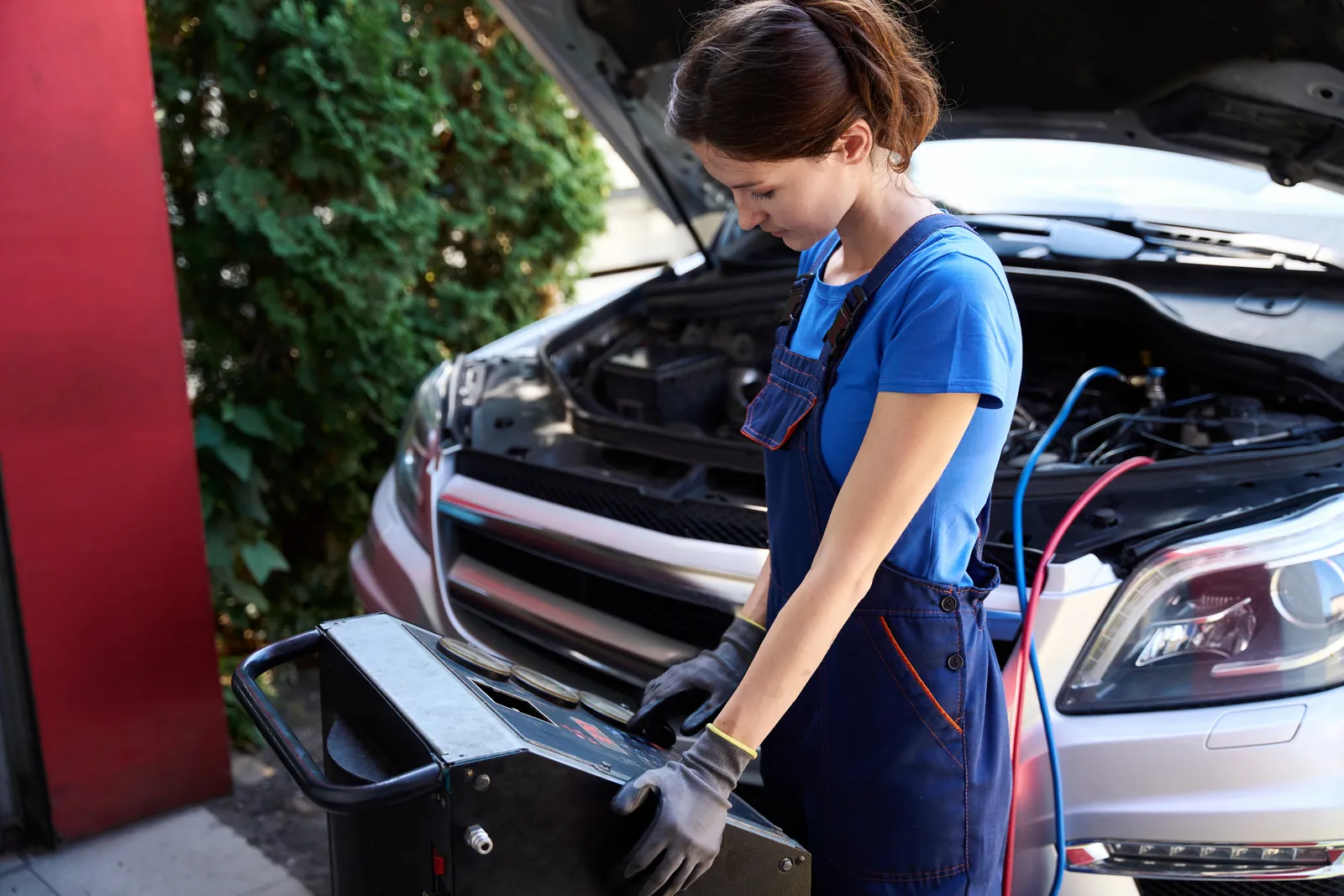
Car AC blowing hot air is a symptom with several possible causes. The system is tested to find the one that applies before any part is replaced.
A frequent reason a car AC is not cold is refrigerant that has escaped through a leaking hose, seal, condenser or evaporator.
The compressor pumps refrigerant around the system, and on many cars a clutch connects it to the drive belt. A worn compressor, a clutch that will not engage or a slipping belt can each stop the cooling.
The condenser sits ahead of the radiator and sheds the heat taken out of the cabin. If it is blocked or damaged, or its fan is not running, the air is often cold on the move and warm at a stop.
A blown fuse, a failed relay, a pressure switch or the climate control itself can keep the compressor from switching on. Faults like these fall under auto electrical repair.
Weak airflow is a separate pattern from warm air. A clogged cabin air filter, a failing blower motor or its resistor are the usual places to look.
A small door behind the dashboard mixes heated and cooled air. If it or its motor sticks, the AC can be working while warm air still reaches the vents.
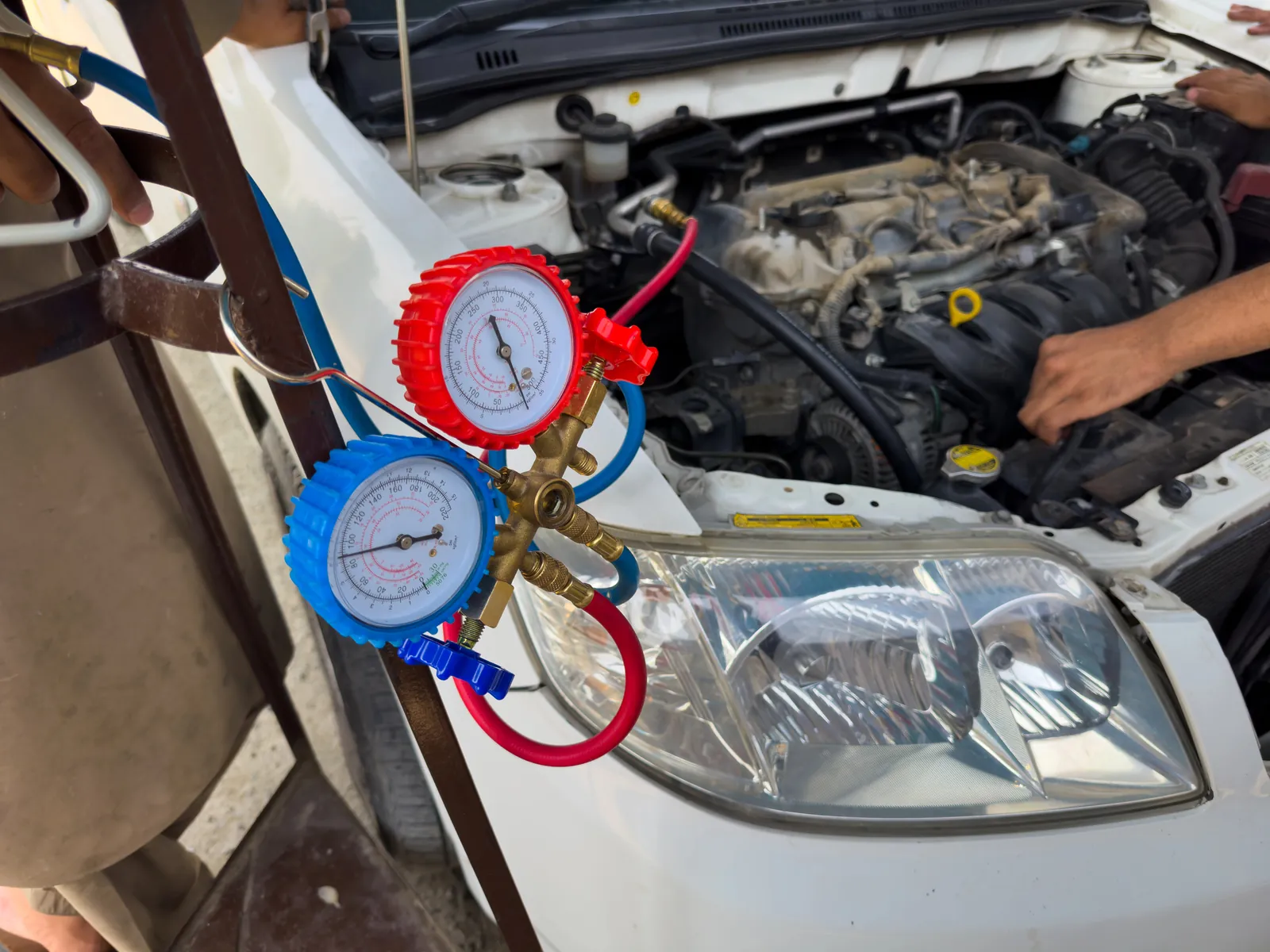
Refrigerant is not used up the way fuel is. It circulates in a sealed loop, so a system that is low has lost it somewhere.
That is why an AC recharge with no leak check often does not last. The new refrigerant leaves the same way the old did, and the air turns warm again.
AC leak detection finds where it is escaping. Common methods are reading the system pressures, adding a dye that shows at the leak under a special light, and using an electronic detector that senses refrigerant.
Adding refrigerant without measuring also risks overfilling, which can damage the compressor.
Mobile AC repair begins with a diagnosis, and the diagnosis decides which of these your car needs.
Vent temperature and system pressures are measured, and the system is checked for leaks and electrical faults.
A recharge belongs after the repair, once the system is sealed. Too little or too much refrigerant both hurt cooling, so the amount matters.
AC compressor replacement changes the pump at the heart of the system. The drier is commonly replaced with it, so moisture and debris do not harm the new compressor.
AC condenser replacement is for a condenser that leaks or has been damaged. It sits at the front of the car, where stones and road debris reach it.
Blower motor replacement restores airflow when the fan is dead, noisy or stuck on one speed. The resistor or module that sets the fan speed is checked with it.
Cabin air filter replacement clears out a filter clogged with dust, a common cause of weak airflow and musty smells. It also belongs on a regular maintenance list.

Cars on the road use either an older refrigerant or a newer one, and they are not interchangeable.
A label under the hood shows which one your vehicle takes.
Send the year, make and model, where the car is parked, and whether the air is warm, weak or only cold on the move.
We measure how the system is performing and check it for leaks and faults to find the cause.
You get a written estimate for the repair the diagnosis points to, and work starts only with your approval.
Approved work is done where the car is parked, and the air at the vents is checked afterward.
Many AC repairs are completed during the first visit when parts are available. A return visit is needed for some. Related pages: mobile diagnostics and pricing.
Some AC jobs are large wherever they are done.
Should an AC repair turn out to be one that cannot safely be completed on site, we will say so, and it may need a shop. The services page shows the rest of what we do.
A car parked in direct sun through a Las Vegas summer day starts out far hotter inside than the air around it. The AC has to pull that heat out of the seats, the dashboard and the glass before the cabin feels cool, so a healthy system still needs time.
Cooling can also fade at idle. With the car stopped, less air moves across the condenser and the system leans on its fan to shed heat. In stop-and-go traffic on a very hot day a small drop is normal, and a large one points to the fan or the condenser.
A few habits help. Open the windows at first to let the hottest air out, switch to recirculate once the cabin begins to cool, and keep the cabin air filter clean.
If the engine temperature climbs when the AC is on, that is a cooling system problem, covered under car overheating repair.
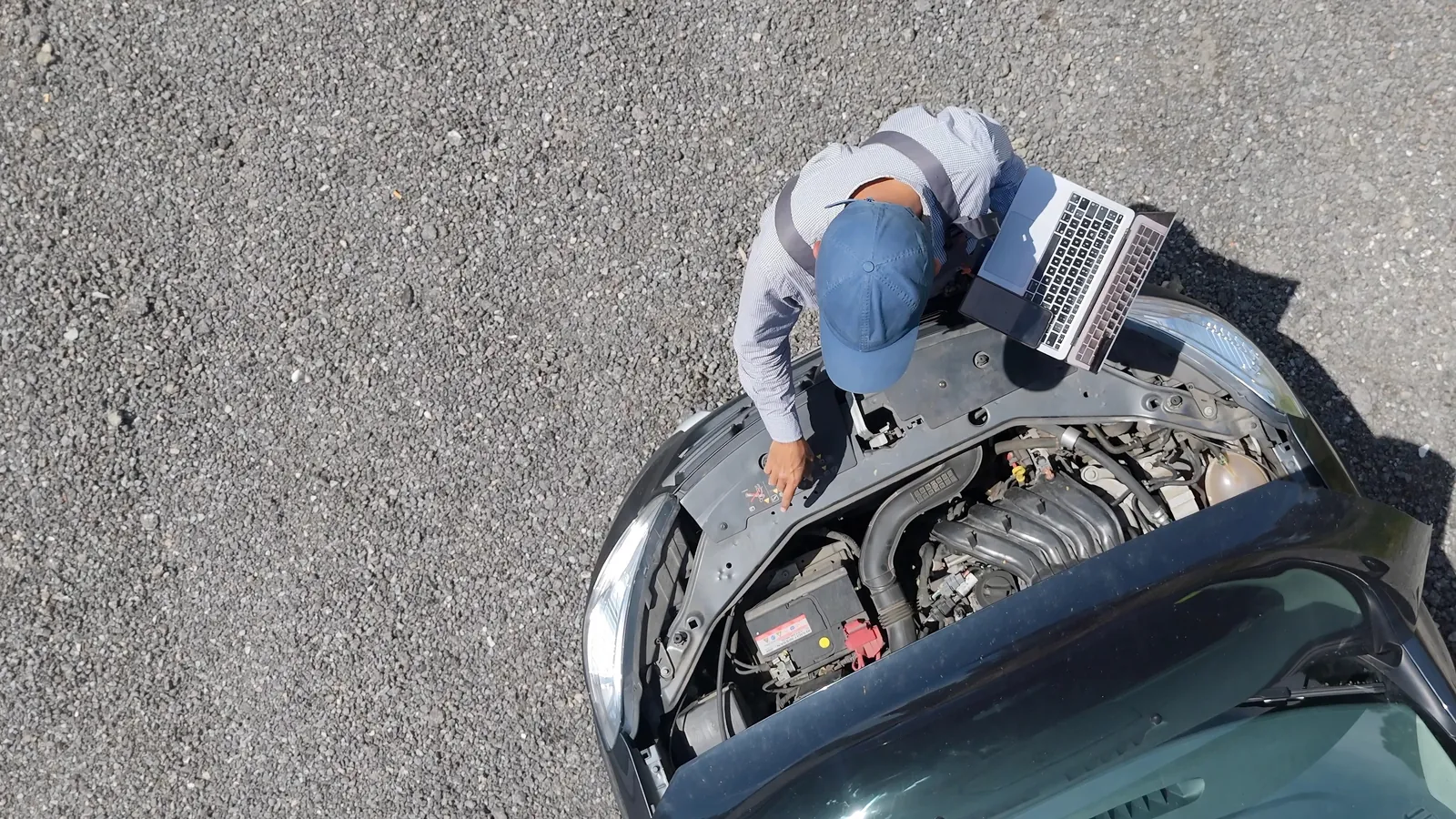
The usual causes are low refrigerant from a leak, a compressor that is not engaging, a condenser or fan problem, or an electrical fault. Each produces the same warm air at the vents, so the symptom alone does not say which. Testing the system narrows it down.
It often points to airflow across the condenser. On the move, air is pushed through it, and at a stop the condenser fan has to do that work, so a fan that is not running is a common cause. A system that is low on refrigerant can behave the same way.
Yes. The AC takes moisture out of the cabin air, and that water drains out under the car, usually below the passenger side of the dashboard. Clear water with no smell is normal. Fluid that is colored, oily or sweet-smelling is something else and is worth having checked.
Send the year, make and model, which show the refrigerant your car uses, and tell us what the AC is doing. We review what you send and contact you to confirm fit and timing for mobile AC repair in Las Vegas.
We serve the Las Vegas Valley, and the service areas page lists its communities. Call or text, or send a request.