
Loose gas cap
A cap that is loose, cracked or worn at the seal lets fuel vapor escape, and the car reports a vapor leak.
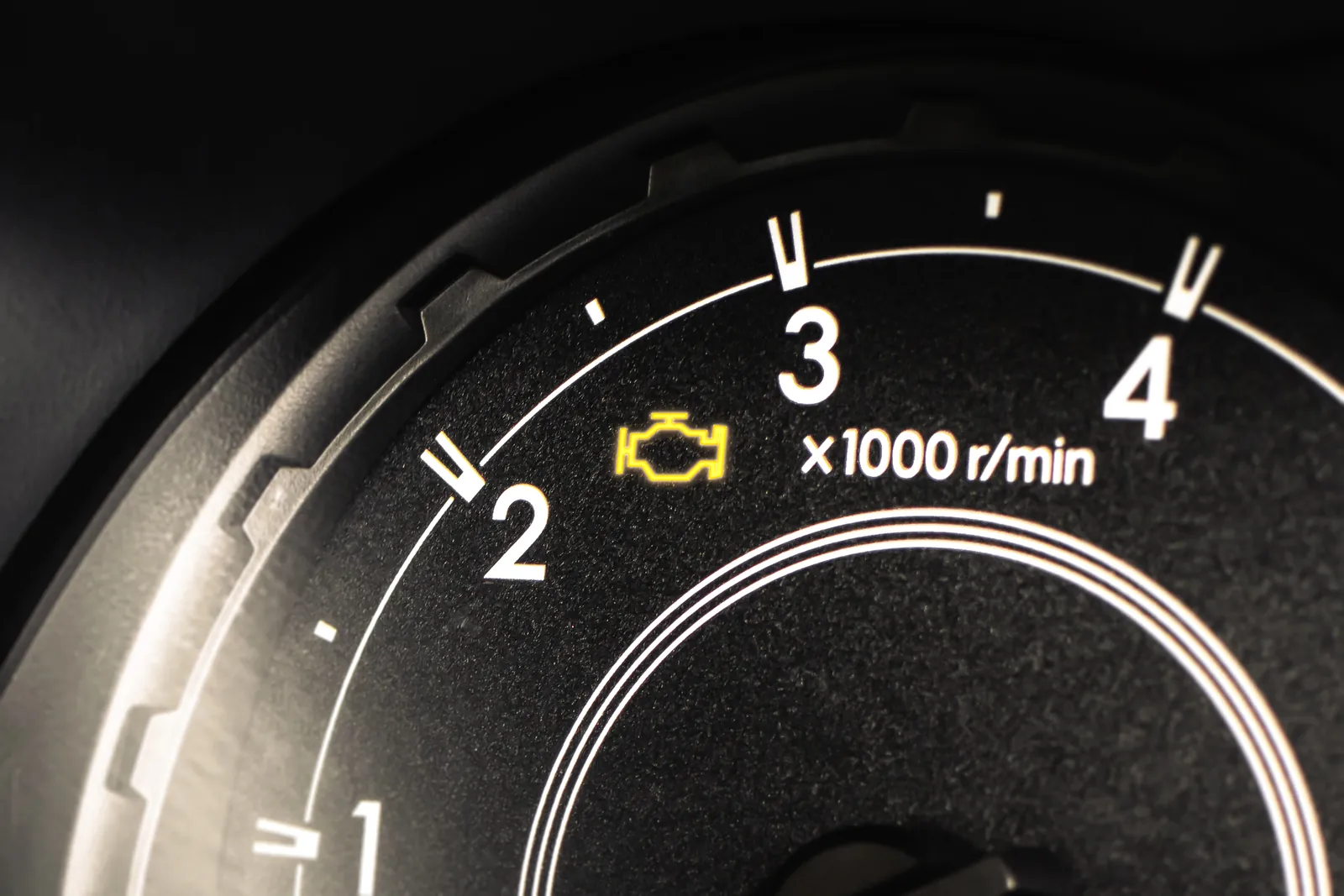
The check engine light says the engine computer has logged a fault. It does not say which part is behind it, or how serious it is.
Golden Star Mobile Mechanics provides check engine light diagnosis in Las Vegas where your car is parked. We read the stored codes, then test the system behind them to confirm the cause.
The light comes on when the engine computer sees a reading outside its expected range and stores a code. How the light behaves tells you how soon to act.
A steady light means a fault has been stored and the engine is still running in a way the computer can manage.
A flashing check engine light usually signals an active misfire, with unburned fuel reaching the exhaust.
The causes run from minor to serious. Each of these is a possibility, and testing is what confirms which one applies to your car.
A cap that is loose, cracked or worn at the seal lets fuel vapor escape, and the car reports a vapor leak.
A slow or failed oxygen sensor sets a code. So can an exhaust leak or a mixture problem the sensor is reporting correctly.
An engine misfire can trace to a spark plug, an ignition coil, a fuel injector or a vacuum leak. Spark plugs are covered on the tune-up page.
The EVAP system captures fuel vapor from the tank. A cracked hose, a stuck valve or a leaking seal can turn the light on.
A converter code can mean a worn converter, or a sensor, an exhaust leak or a misfire upstream. The converter is tested before replacement is discussed.
A dirty airflow sensor, a vacuum leak or low fuel pressure can make the engine run lean or rich and set a mixture code.
For symptoms beyond the light, see mobile diagnostics.
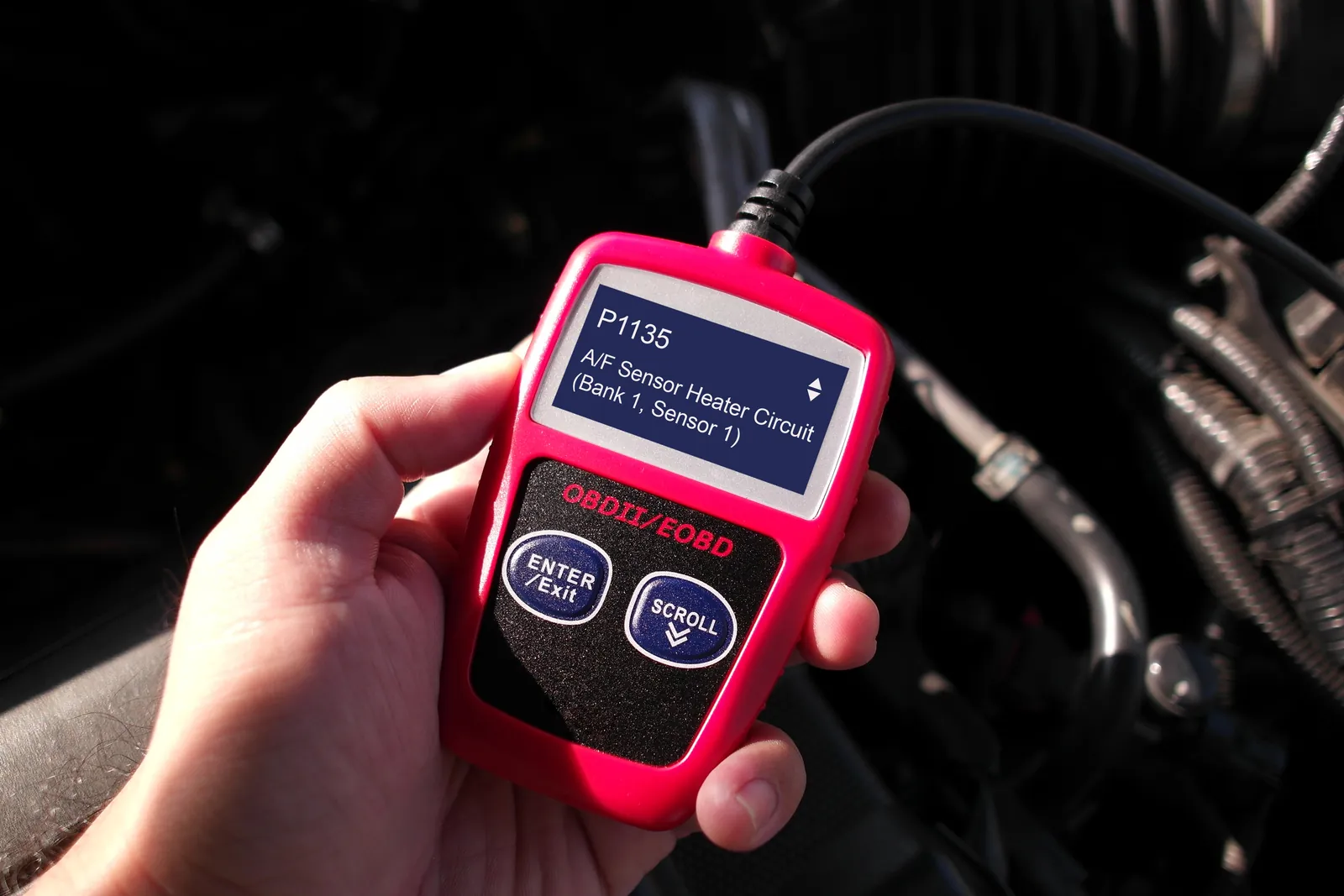
An engine code reading is where many drivers begin, often at a parts store counter. OBD-II codes are useful, and they have a limit: a code describes what the computer saw, not the part that caused it.
One code can have several causes. A lean-mixture code can come from a vacuum leak, a weak fuel pump or a dirty airflow sensor, so replacing the first part it suggests can leave you with a new part and the same light.
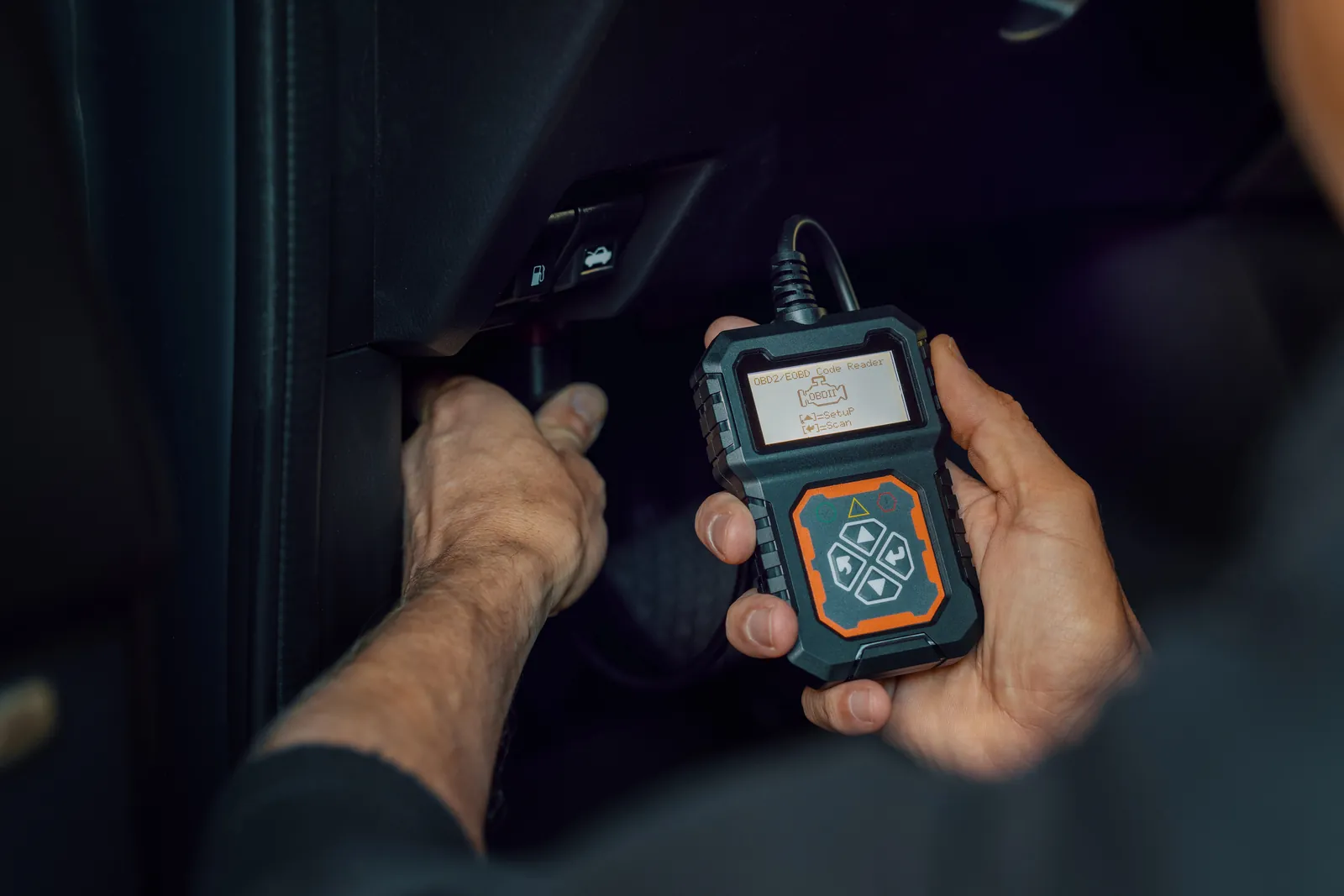
A diagnosis goes further. The mechanic looks at freeze-frame data, which records the conditions when the fault was logged, watches live sensor readings, and tests the parts and wiring in that system.
Clearing the code does not repair the fault. The light goes out, the problem stays, and the code returns once the computer sees it again.
Tell us the vehicle, where it is parked, and how the light and the car are behaving.
We review your request, then contact you to confirm fit and timing for the visit.
The mechanic reads the stored codes and freeze-frame data, then tests the system they point to.
You hear what the cause is and get a written estimate, and no repair goes ahead until you approve it.
Use the request form, or call or text.
If a smog check is coming up, have the check engine light diagnosed before you go.
The light is the car’s own report that an engine or emissions fault has been stored. Golden Star diagnoses and repairs the cause, and the emissions test itself takes place at a station. If the car has already failed, start with failed smog check repair.
When the cause is confirmed, we explain it in plain terms and give you a written estimate before work begins.
The repair starts only with your approval, and we ask again before anything extra is added. Throughout, you deal directly with the mechanic doing the work.
Once the cause is known, many repairs are completed during the first visit when parts are available. Some jobs need a return visit.
If a repair cannot safely be completed on site, we will let you know, and the job may need a shop.
The services page lists the repairs we perform.
“Jordan came directly to where i was and completed a full diagnosis on my vehicle. And then installed the parts and got me back up and running again the same day. He was so assuring and worked so well with my schedule! Jordan is awesome and I will be using him for any other car issues that come up! Thanks Jordan!”
“I can’t say enough about this guy!!! Jordan is a great mechanic. Completely trustworthy!!! I’ve had several issues and Jordan was always there around the clock to help!!! I can’t say enough about this guy!!! When I need help I only call him and if he’s busy I’ll wait. I know I’m getting an honest diagnosis, the best service at the best price!!!”
“Jordan is very knowledgeable. He explained everything clearly about what was going on with my car. I would recommend him to anyone having trouble with their car. It is nice to find an honest mechanic.”
It depends on how the light and the car behave. A steady light with a car that drives normally is usually fine for short trips until it can be checked. A flashing light, shaking, loss of power or a hot temperature gauge means stop driving and have it looked at.
It usually means the engine is misfiring as you drive. Unburned fuel reaches the exhaust, where it can overheat the catalytic converter. Drive as little as you can until the car is diagnosed.
It could. A loose or worn gas cap is a common cause. Tighten it until it clicks and give it several drives. If the light stays on, the cause is something else and needs testing.
Yes, if you want to know the cause. The code names the system that reported a problem, and several different parts can set the same code. A diagnosis tests that system so the cause is confirmed before a part is replaced. Mobile diagnostics explains the difference.
Tell us the vehicle, where it is in Las Vegas, and what the light is doing: steady or flashing. We review the request and get back to you to confirm fit and timing.
You can also call or text and describe how the car is running.