
Coolant at the front of the engine
A coolant leak near the belts can be the water pump leaking at its seal or gasket. A hose, the thermostat housing or a different fluid can drip in the same spot.
Coolant dripping near the belts or a grinding noise at the front of the engine often ends in a quote for a water pump.
Golden Star Mobile Mechanics handles water pump replacement in Las Vegas at your location. The pump is confirmed as the cause before it is replaced. On some engines the job may need a shop, and we will say so.
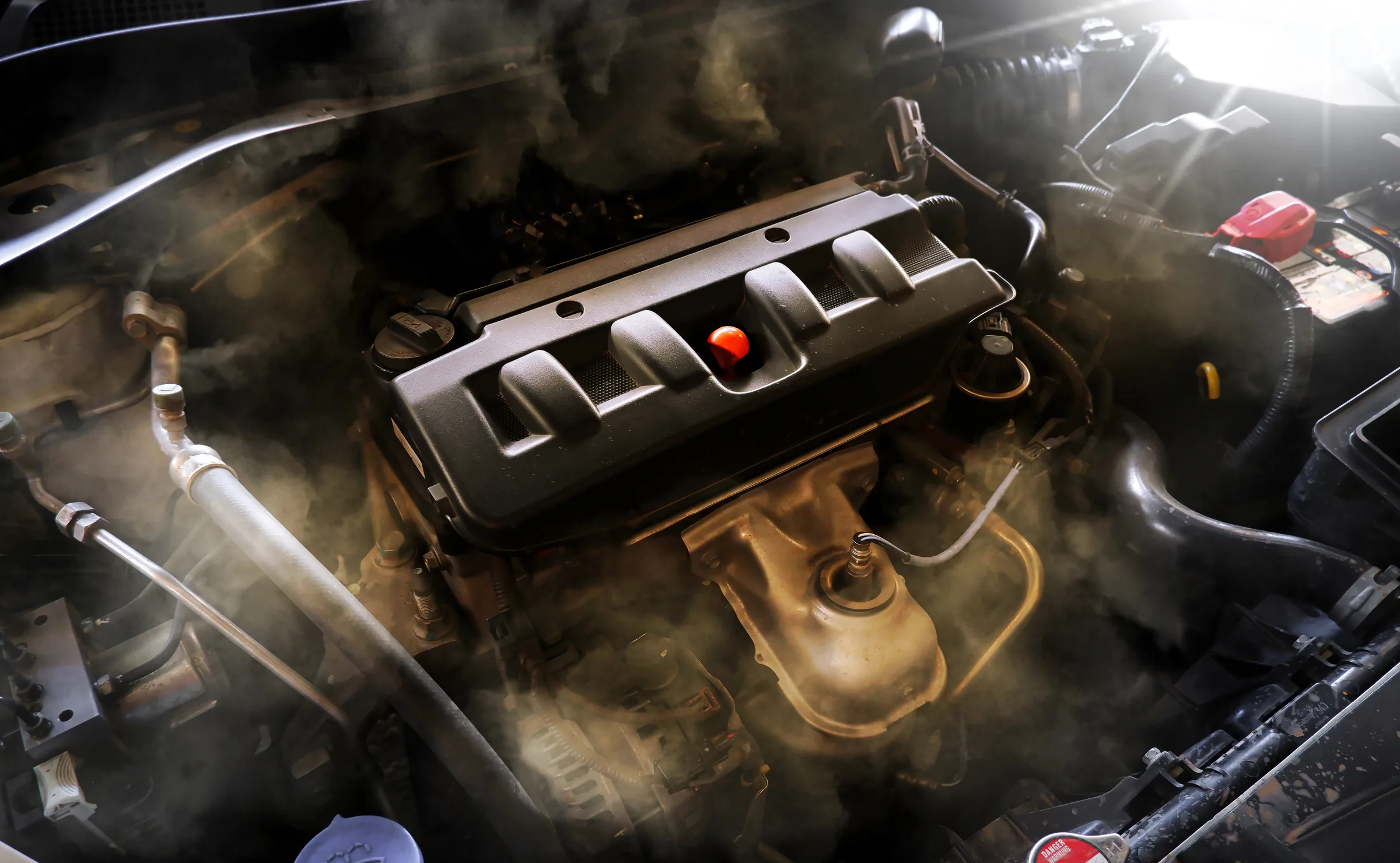

The water pump moves coolant between the engine, where it picks up heat, and the radiator, where the heat is shed. If the flow stops, the engine overheats.
Depending on the engine, the pump is turned by the accessory belt, by the timing belt or chain, or by its own electric motor.
Inside, a shaft turns an impeller. Its seal and bearing are the parts that wear: a worn seal lets coolant out through a small weep hole, and a worn bearing lets the shaft wobble and grind.
A worn pump is replaced as a unit, so water pump repair and replacement come to the same job.
No single sign settles it, because other parts sit in the same corner of the engine.
A coolant leak near the belts can be the water pump leaking at its seal or gasket. A hose, the thermostat housing or a different fluid can drip in the same spot.
Water pump noise is usually a grinding or growling from a worn bearing. A belt tensioner, an idler pulley or a worn belt can sound the same.
A pump pulley that wobbles, or rocks when moved by hand, points to a worn bearing. A loose belt or weak tensioner can look similar.
An engine that runs hot while the heater blows cold can mean coolant is not circulating. Low coolant, a stuck thermostat or trapped air do the same.
If the noise is hard to place, start with mobile diagnostics.
The cooling system is tested to confirm the pump is the cause before it is replaced.
The cooling system is pressurized with the engine off, which makes a slow leak show itself.
A wet trail or dried coolant below the weep hole, or along the gasket, points to the pump.
The pulley is rocked and turned by hand, and looseness or a rough feel means the bearing is worn.
With the engine running, the noise is traced to the pump or to a neighbor such as the tensioner.
Hoses, the thermostat housing and the radiator are checked, since coolant from higher up can run down and look like a pump leak.
| Pump type | What the job involves | Size of job |
|---|---|---|
| Belt-driven external pumps | The pump bolts to the outside of the engine and is turned by the accessory belt. | Usually the most accessible. |
| Pumps driven by the timing belt | The timing belt comes off to reach the pump and is set back in exact time, so the timing belt and water pump are commonly replaced together. | Larger, with engine timing involved. |
| Pumps behind covers or driven by the timing chain | Reaching the pump means removing the timing cover or other covers, and more of the front of the engine. | Often the largest of these jobs. |
| Electric water pumps | An electric motor drives the pump, so wiring is part of the job, and its position varies between vehicles. | Depends on where the pump is mounted. |
The year, make, model and engine show which kind your car has. Where the pump cannot safely be replaced on site, we will tell you so, and the work may need a shop. See belt and hose replacement for belts and services for engine work.
A water pump does not come out alone, which explains the other lines on an estimate.
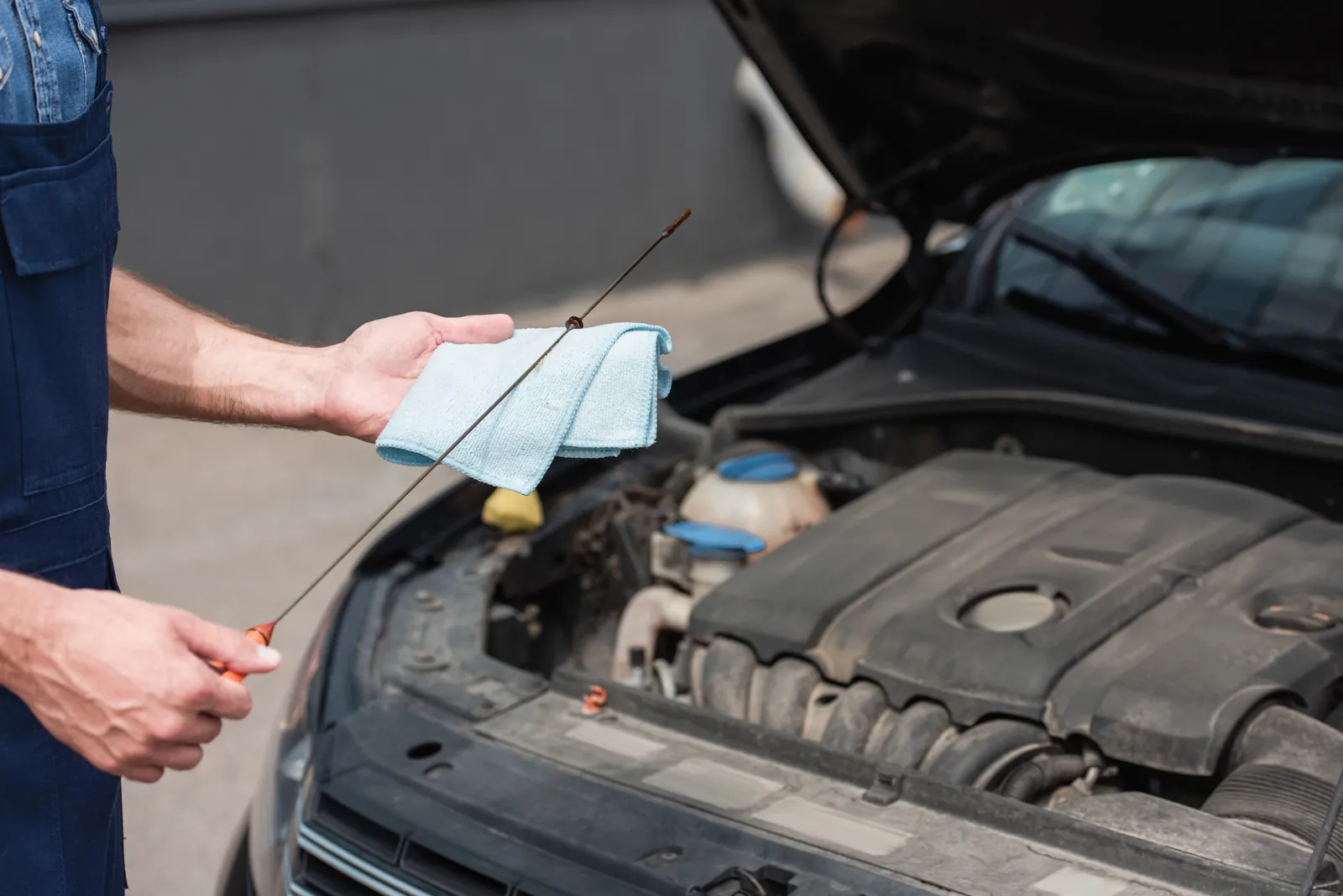
The seal between the pump and the engine is replaced with it, since a used one does not seal again.
The coolant is drained to get the pump out and replaced with the type the vehicle maker specifies.
The drive belt and its tensioner come off for the job, so both are inspected. Wear there is belt and hose work.
Where the thermostat shares the job, replacing it may be suggested. See the radiator and thermostat page.
After the refill, air is bled out and the engine is run up to temperature to check for leaks.
You receive a written estimate once the checks have pointed to the pump, and the pump stays on the engine until you approve it.

The common signs are a coolant leak at the front of the engine, a grinding noise near the belts, a wobbling pulley and overheating. Hoses, the thermostat housing and belt parts cause the same things, so the pump is checked before it is blamed.
It is a risk that grows with the leak. A leaking pump lowers the coolant level, and a worn bearing can seize or throw the belt off. If the temperature gauge rises, stop and switch the engine off.
We replace water pumps at homes and workplaces, where property rules allow mobile service. How the pump is driven decides how large the job is, so we ask for the engine details first. The service areas page lists where we work.
When the timing belt drives the pump, replacing both together is the common recommendation, because the belt has to come off to reach the pump. Where the accessory belt drives it, the timing belt is not part of the job.
By testing, not by the symptom alone. The cooling system is pressure tested, the weep hole and gasket are inspected, and the pulley is checked for play and noise.
Send the year, make, model and engine size, which show how the pump is driven.
We go through your request and contact you to confirm whether water pump replacement in Las Vegas is a fit for your engine, and to agree on timing.