Opens in a new tab

Radiator Repair in Las Vegas, at Your Location

Coolant under the front of the car, a cracked tank or a quote for a new radiator raises one question: does the radiator need replacing, or is something smaller leaking?

Golden Star Mobile Mechanics comes out to the car for radiator repair in Las Vegas. We pressure-test the cooling system to confirm the cause before parts are replaced. If the engine is overheating now, see car overheating repair.

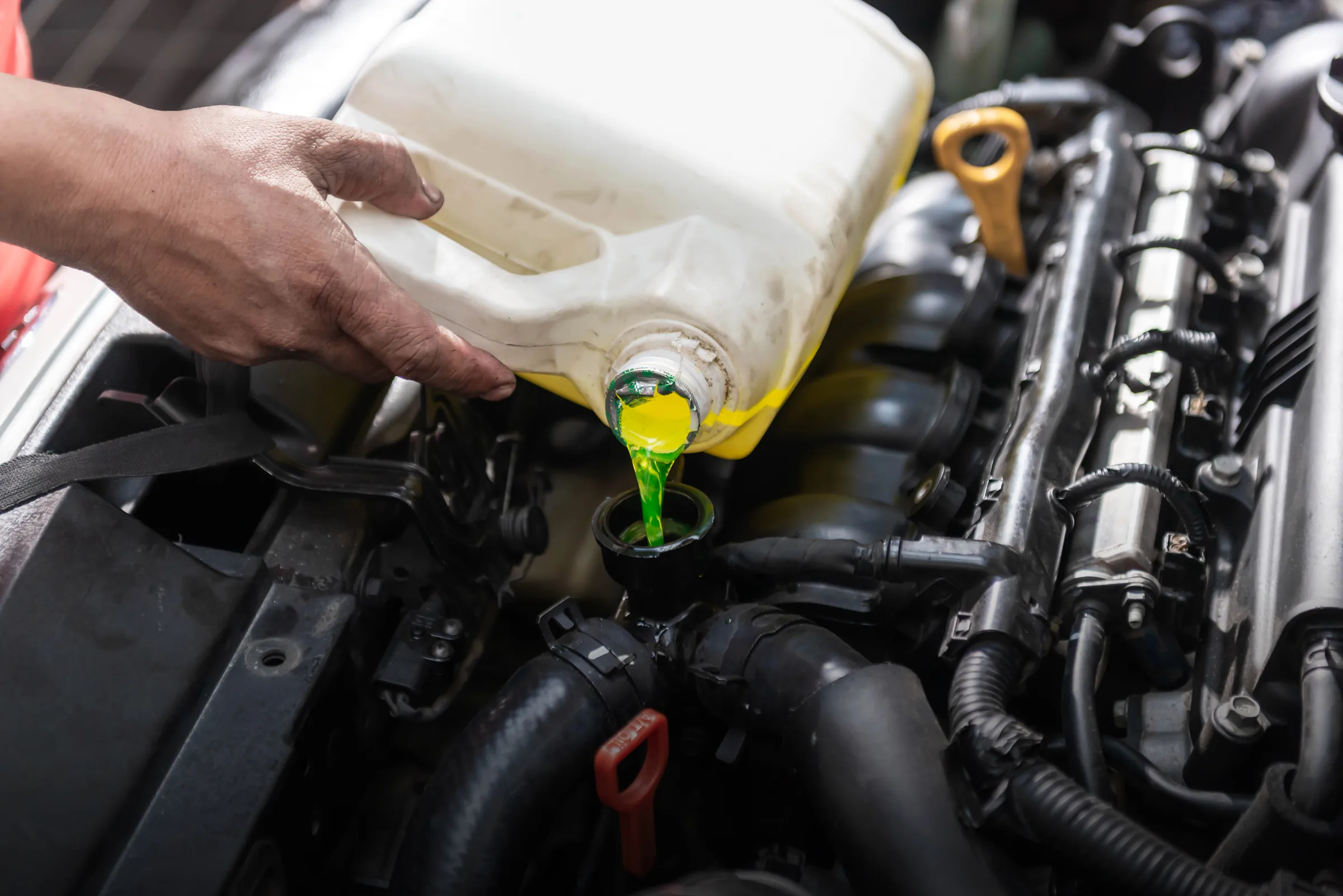
A hand pours green coolant from a jug into a car radiator filler neck

Radiator, Thermostat and Coolant Work Covered Here

This page covers radiator replacement, the thermostat, coolant service and the cap.

Radiator replacement

The radiator sheds engine heat through a metal core with a tank at each end. Replacing it means draining the coolant and disconnecting the hoses and, on many automatics, the transmission cooler lines, which carry transmission fluid.

Thermostat replacement

The thermostat is a valve that holds coolant in the engine until it warms up. Thermostat replacement fits a new one with its seal, and on some engines a new housing.

Coolant drain and refill

Old coolant is drained and the system is refilled with the type the vehicle maker specifies. Air is then bled out, because a trapped pocket can cause overheating.

Radiator cap and pressure check

The radiator cap holds the system at pressure, and a weak one causes coolant loss that looks like a bigger fault. A pressure check shows where the system or cap leaks.

Hoses come under belt and hose replacement, and the pump has its own page on water pump replacement.

Signs the Radiator or Thermostat Needs Attention

Each sign has more than one possible source, and testing confirms which.

Coolant under the front of the car

A sweet-smelling, brightly colored puddle can be a radiator leak, though a hose, a clamp or the water pump drips in the same place. Other fluids can pass for coolant.

A cracked or seeping tank

A cracked radiator usually means a split plastic end tank, or seepage where the tank meets the metal core, which leaves a crusty trail.

A coolant level that keeps dropping

If you keep adding coolant and see no puddle, a small leak may be drying on hot parts, or the cap may not be holding pressure.

An engine that is slow to warm up

A heater that is slow to blow warm, or a gauge that sits low, can mean the thermostat is stuck open, sometimes with a check engine light.

Rusty or sludgy coolant

Coolant that looks brown, rusty or thick is worn out or contaminated, and it can clog the radiator core.

A gauge that swings or climbs

A gauge that rises, drops and rises again can point to low coolant, trapped air or a sticking thermostat. One stuck closed makes the engine overheat.

Repair or Replace: What Makes Sense for a Leaking Radiator

Not every coolant leak at the front of the car comes from the radiator.

Faults outside the radiator

  • A radiator cap that no longer holds pressure
  • A loose or corroded clamp
  • A soft, swollen or split hose, which is belt and hose work
  • A thermostat or its housing seal

A radiator that has failed

  • A cracked plastic tank
  • A seam leaking where a tank meets the aluminum core
  • A core that leaks or is clogged inside
  • Stone or impact damage

Most radiators have an aluminum core and crimped-on plastic tanks, and a crack or seam leak does not take a lasting patch, so radiator repair usually means replacement. Stop-leak additives may slow a small leak, but they can clog the heater core and the radiator’s passages.

How a Radiator Is Replaced at Your Location

  1. Send the Vehicle Details

    Tell us the vehicle, the engine and what you have noticed or been quoted.

  2. Pressure Test and Inspection

    We pressure-test the cooling system and look over the radiator, cap, hoses and thermostat housing to find where coolant is escaping.

  3. Written Estimate, Then Your Approval

    You get a written estimate for what the test showed, and nothing is replaced until you approve it.

  4. Replace, Refill, Bleed and Check

    After the radiator replacement, the system is refilled with the correct coolant, bled of air, and run to operating temperature to check for leaks and fan operation.

An electrical cause, such as a fan that does not switch on, is a job for mobile diagnostics.

Coolant: The Right Type and Safe Handling

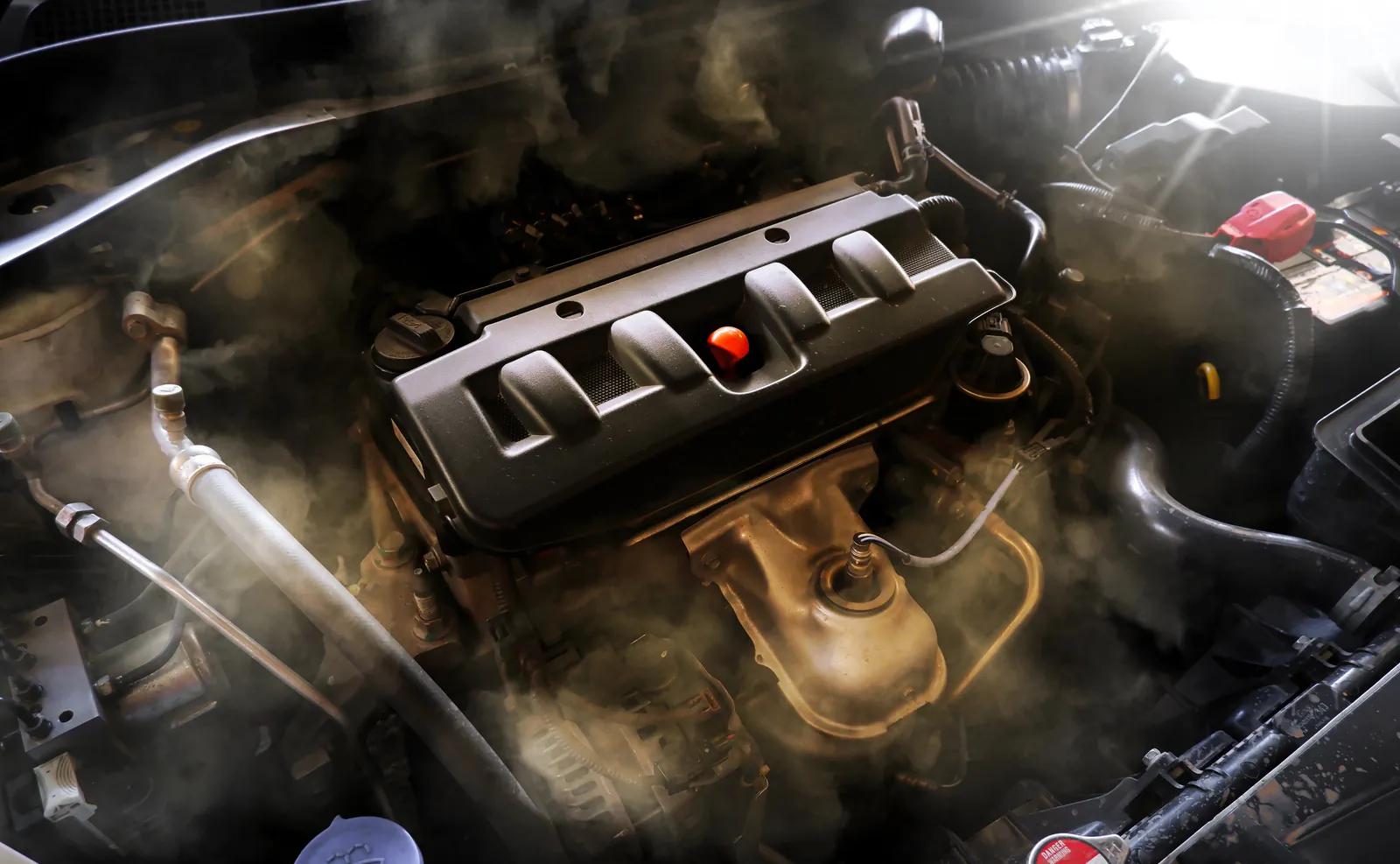
A cloud of steam coming off a car engine under an open hood

The vehicle maker specifies a coolant type for each engine, and types should not be mixed. The wrong coolant, or a mix, can attack seals and metal or thicken into sludge.

A drain and refill lets the old coolant out and puts fresh in. A coolant flush goes further, pushing fluid through the system to carry out rust and sludge.

Coolant is harmful to pets and children, and its sweet taste makes a puddle a risk. Keep them away from a leak and wipe up spills.

Coolant service at the maker’s interval is part of routine car maintenance.

Your Radiator Estimate

What the estimate may list

The written estimate follows the pressure test, so it is for the part that was found leaking. A cap, a thermostat, a hose or clamps may be listed with the radiator when they are worn.

Your approval comes first

The radiator stays in the car until you have approved the estimate. If the job uncovers something more, such as a corroded cooler line fitting, we ask you before adding it.

See also our pricing and policies pages.

When the Job Belongs in a Shop

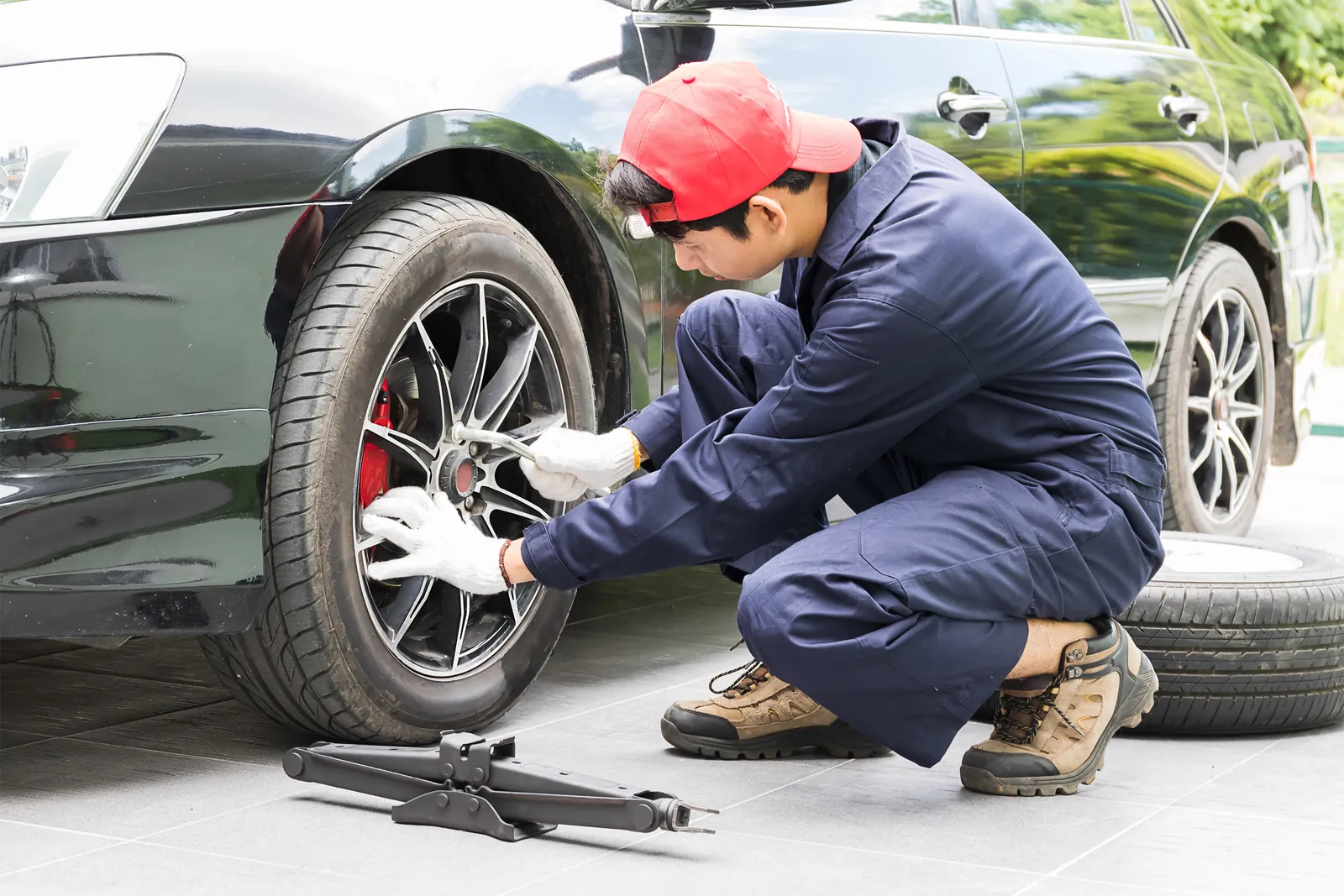
A mechanic in navy coveralls and a red cap working on a car wheel beside a jack and a spare tire outdoors

On some vehicles the radiator only comes out once the front bumper cover or the AC condenser has been moved, a much larger job.

Milky coolant, or oil or transmission fluid in the coolant, points to something deeper than a leaking radiator. So does an engine that still runs hot after a new radiator, which calls for overheating diagnosis.

We will say so if a radiator job cannot safely be completed at your location, and it may then need a shop. Other cooling work is listed under services.

Radiator and Coolant Questions

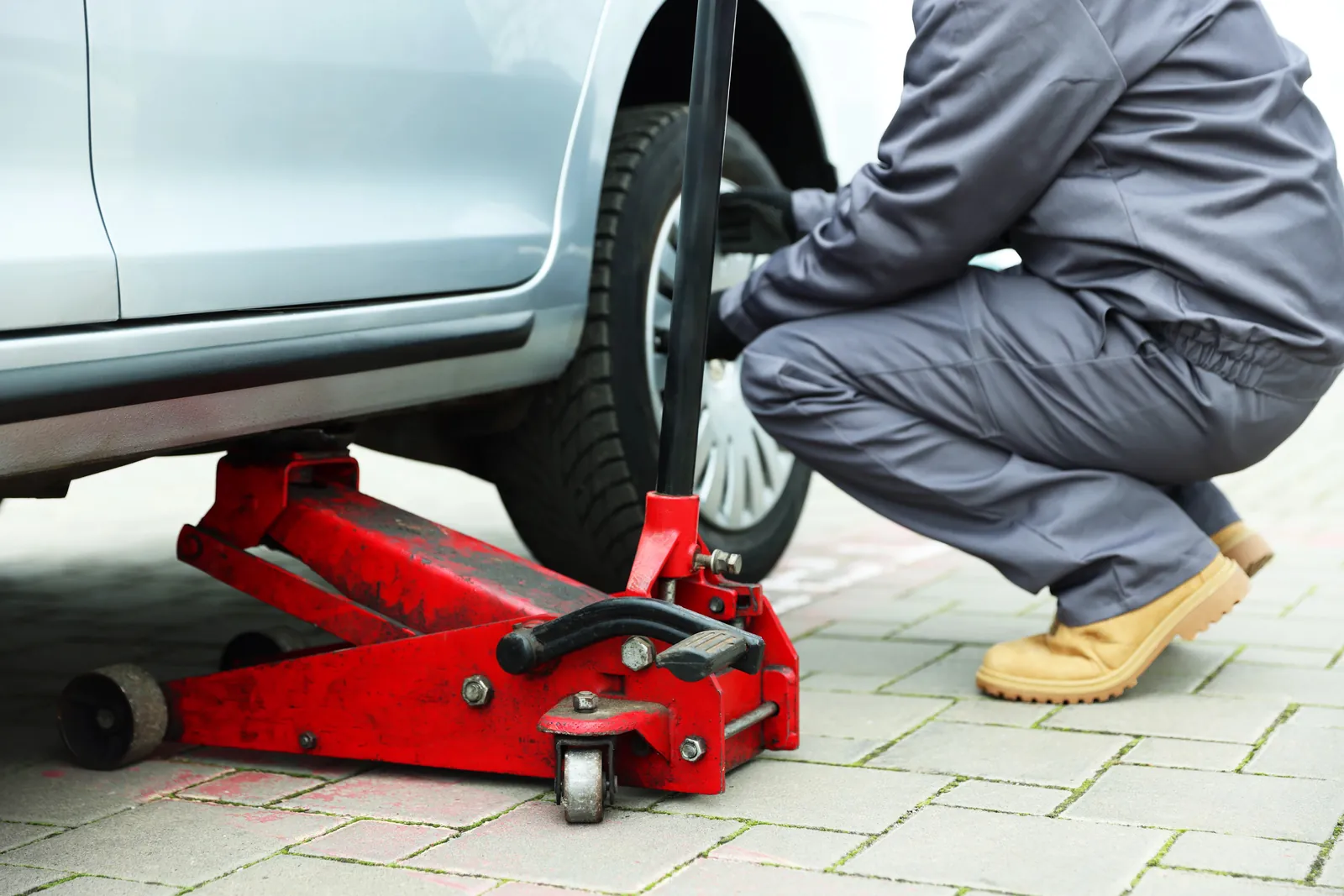
A mechanic in grey coveralls and work boots working at the wheel of a silver car raised on a floor jack

Can a radiator be replaced in my driveway?

Radiator replacement is on-site work for us, done at homes and workplaces where property rules allow mobile service. Our service areas are listed separately.

Can my radiator be repaired instead of replaced?

Sometimes the radiator is not the leak at all, and a cap, a clamp or a hose puts it right. When the radiator itself has a cracked tank or a leaking seam, replacement is the lasting fix.

Is it safe to drive with a leaking radiator?

It is a risk. A leak lowers the coolant level, and an engine that runs low can overheat and be seriously damaged. If you have to move the car, keep the trip short and stop if the temperature gauge climbs.

Should the thermostat be replaced at the same time?

It is often suggested, with reason: the coolant is already drained and the thermostat is usually in reach, so an old one that sticks later means draining the system again. It is your decision.

Do I need a coolant flush or just a drain and refill?

A drain and refill is enough when the old coolant is clean and due for a change. A flush makes sense when it is rusty or sludgy, or when types have been mixed.

Request Radiator Service Where the Car Is Parked

Send the year, make, model and engine, and what you have seen or been quoted. Your request is read first, and we contact you to confirm fit and timing for radiator repair in Las Vegas.

Do not drive an engine that is overheating. Leave it parked and call or text.