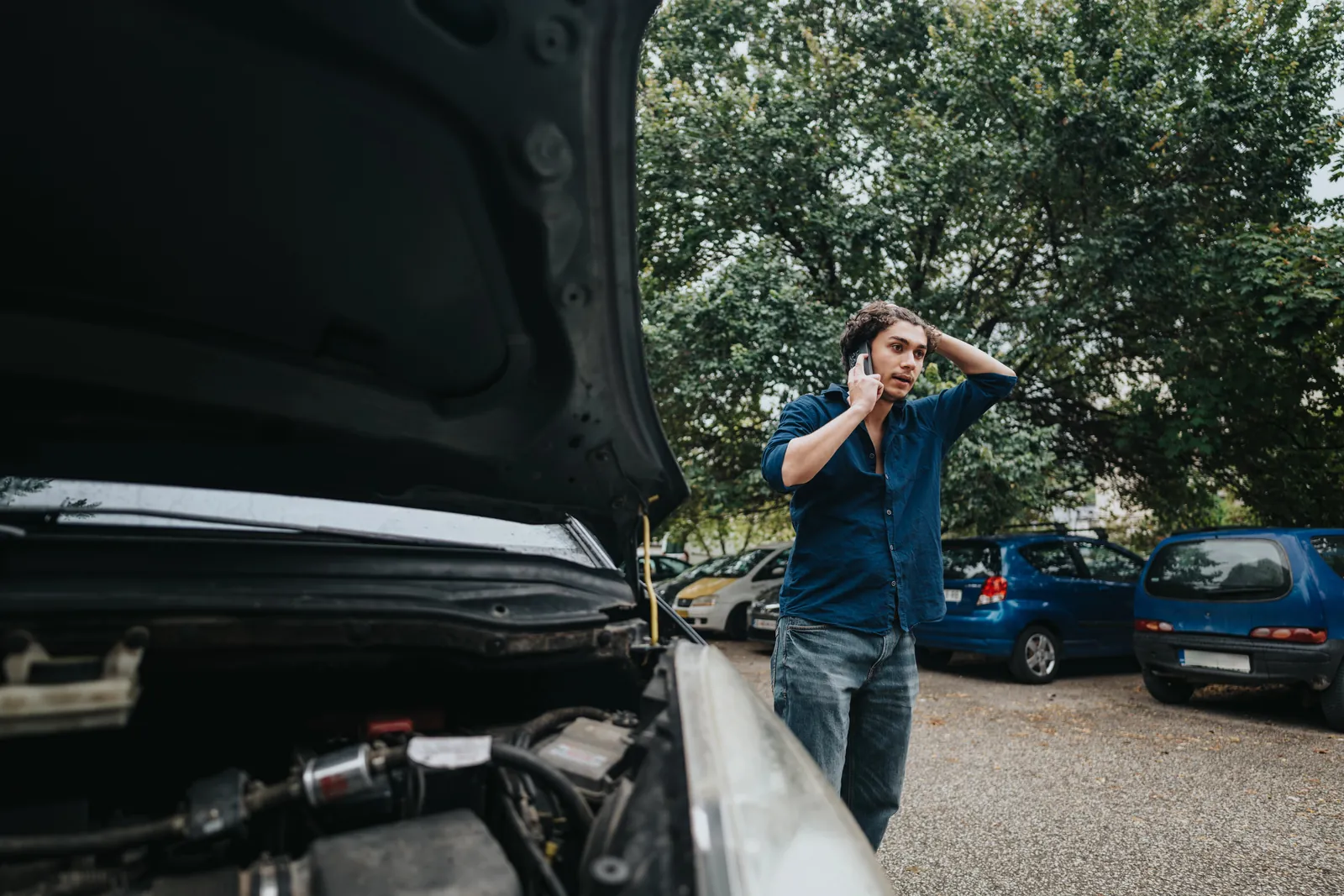
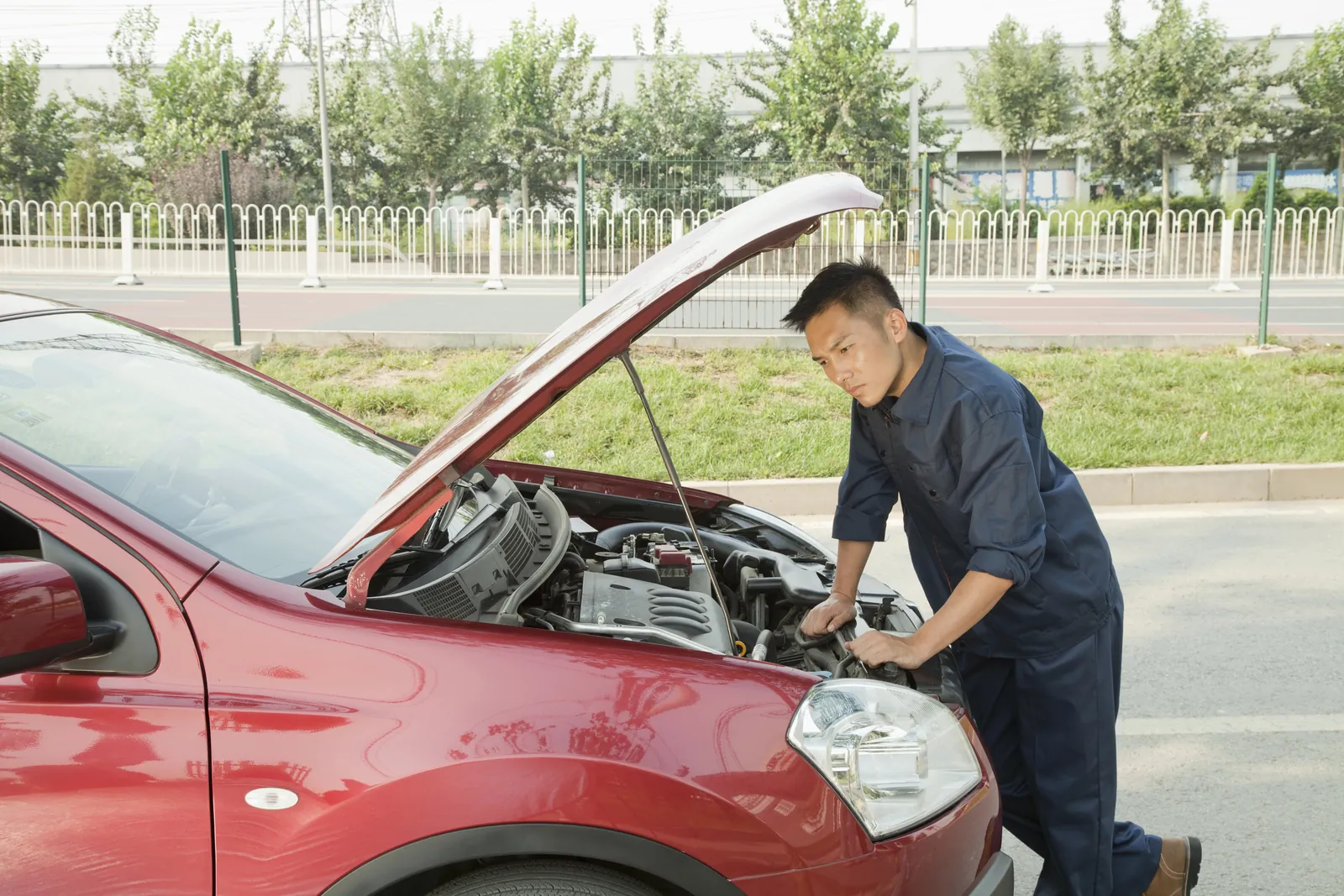
When a car cranks but won’t start, the starting system has done its part. The starter is spinning the engine, and the engine is not catching. An engine needs fuel, spark, air and compression, each arriving at the right moment, and a crank with no start usually means one of them is absent. Fuel and spark problems are the usual candidates. Sensor faults, the anti-theft system and timing faults follow.
Which one it is cannot be read from the sound alone. A few observations do narrow it down, and they are worth noting before you ask for help.
If the car will not fire where it is parked, Golden Star Mobile Mechanics comes to it. With a no-start diagnosis, the cause is tested and confirmed before parts are replaced.
What the Cranking Sound Tells You
Listen to how the engine turns. Normal, even cranking points away from the battery and toward fuel, spark or a sensor. Slow, labored cranking means the battery may be too low to run the ignition and fuel systems while it turns the engine, so start there.
Cranking that suddenly sounds lighter and smoother than usual can mean the timing belt or chain has failed. Stop if you hear that. On some engines, further attempts can add internal damage.
When Fuel Is Not Reaching the Engine
Start with the plain question of whether there is fuel in the tank. Gauges can read wrong, and a car parked on a slope with a low tank may not pick up what is left.
Beyond that, the possibilities include a failed fuel pump, a pump relay or fuse, a clogged filter and contaminated fuel. A pump can also fade gradually, so long cranking before a start or stumbling under load in the days before is worth mentioning. On many cars the pump hums for a moment from the rear when the key is first turned to the on position. Silence can be a clue, though some pumps are too quiet to hear, so it settles nothing by itself.
When There Is No Spark
Spark depends on the ignition coils, the spark plugs and the signals that tell the engine computer when to fire them. A failed crankshaft position sensor is a common example. The computer cannot see the engine turning, so it commands neither spark nor fuel. On some vehicles the tachometer needle sits still during cranking when this happens.
Heat can play a part. A car that refuses to start when hot and starts once it has cooled may have a sensor or another electrical part that fails with temperature.
Security Systems and Flooding
Many cars have an immobilizer that must recognize the key before the engine is allowed to run. If it does not, the engine may crank normally and stay dead, or start and stall at once. A security light flashing on the dash is the clue. Trying the spare key is a reasonable step, and the owner’s manual explains what the light means on your car.
A strong smell of raw fuel after several attempts can mean the engine is flooded. Give it time before trying again, and check the owner’s manual, since some vehicles have their own procedure for clearing a flooded engine.
What to Note and What to Avoid
These details help whoever diagnoses the car:
- What the car did before it quit: ran rough, stalled while driving, or was fine when parked.
- Which warning lights are on, including a check engine or security light.
- Whether the engine sputters and tries to catch, or shows no sign of life.
- Whether the trouble followed refueling, heavy rain or a long spell of sitting unused.
- Whether the engine was hot or cold.
Avoid long stretches of cranking. They heat the starter, run the battery down and can send unburned fuel into the exhaust. Keep attempts short, rest between them and stop after a few.
A stored code can point toward a system, which makes it a starting point. A code scan reads stored codes; a diagnosis measures fuel pressure, checks for spark and tests to confirm the cause.
When the car needs that testing, Golden Star can diagnose a crank with no start at your vehicle. Mobile diagnostics covers warning lights and other symptoms.