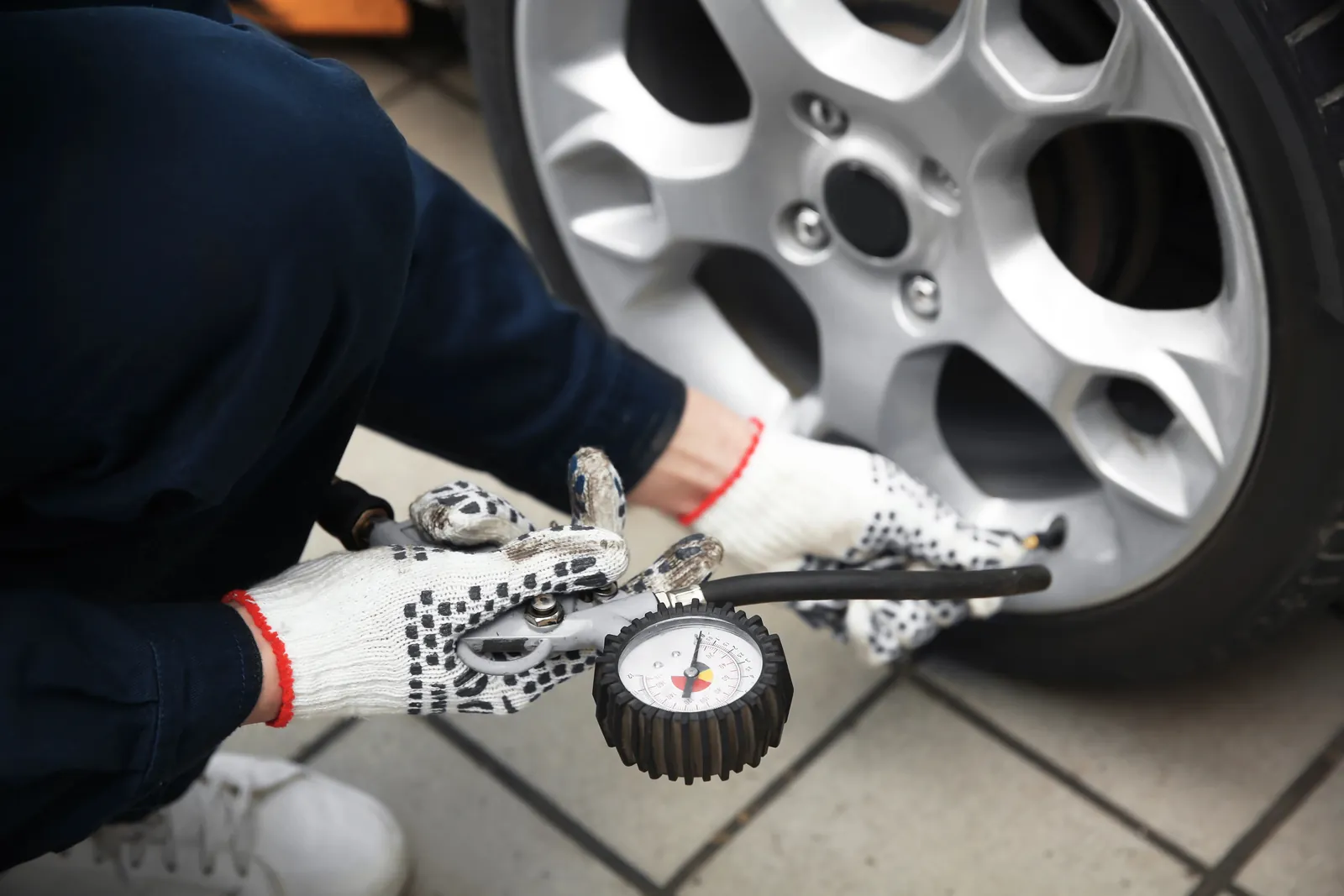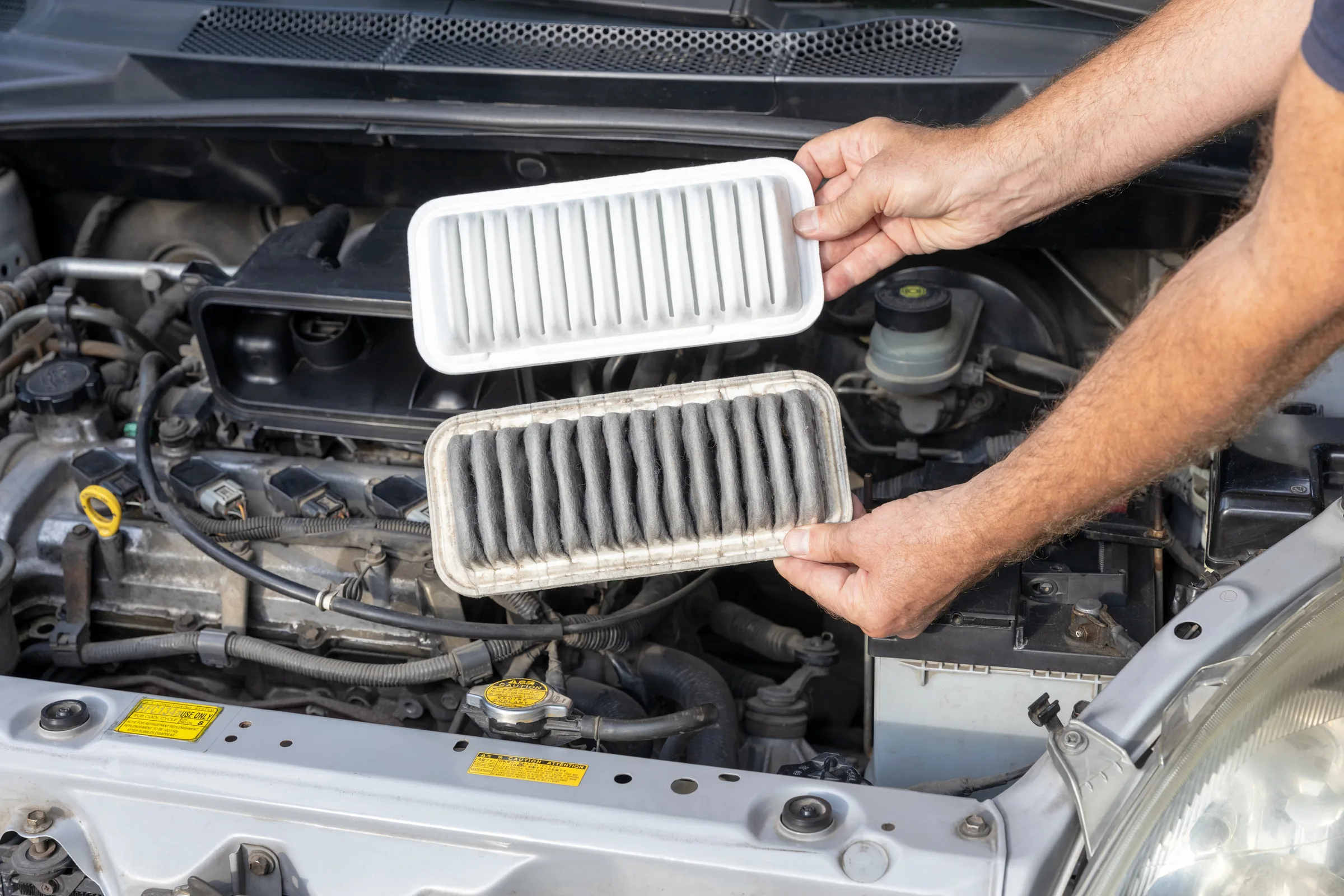
A car summer maintenance checklist for Las Vegas is mostly a list of what heat wears out. Batteries, rubber parts and tires age sooner here than in a mild climate, the cooling system works with little in reserve, and the air conditioning runs for months without a rest. Going through the list in spring, before the long hot stretch, means a weak part is found while the car is still running.
The owner’s manual remains the reference. Its maintenance schedule says what is due, and its guidance for severe service often applies to a car that lives in desert heat and dust. The checks below sit alongside that schedule.
If some of this is work you would rather hand to a mechanic, Golden Star Mobile Mechanics is a team of mobile mechanics in Las Vegas that comes to your vehicle. Mobile car maintenance includes oil changes, tune-ups, belts and hoses, and fluids and filters.
Battery and Charging
Desert heat is hard on batteries. One that is already weak tends to give out in the hottest weeks or on the first cool morning after them. Have the battery tested before summer if it has been in the car for a few years. Look at the terminals too: they should be clean and tight, with the battery clamped down so it cannot shake.
Cooling System
The cooling system carries the engine’s heat to the radiator, and summer leaves it little margin.
- Coolant level and condition. Check the level in the overflow tank with the engine cold. Coolant that looks rusty, oily or sludgy needs attention.
- Coolant age. Its corrosion protection wears out with time. The manual gives the change interval and the type to use, and types should not be mixed.
- Radiator and cap. Fins blocked by debris pass less air, and a worn cap seal lets pressure and coolant escape.
- Fans. On cars with electric fans, they should run when the engine is hot or the air conditioning is on.
- Leaks. Dried coolant leaves a crusty trace at hose ends, the radiator and the water pump.
Do not open the radiator cap or the coolant tank on a hot engine. The system is under pressure and the coolant can scald. If the temperature gauge climbs while you drive, switch off the air conditioning, find a safe place to stop and turn the engine off.