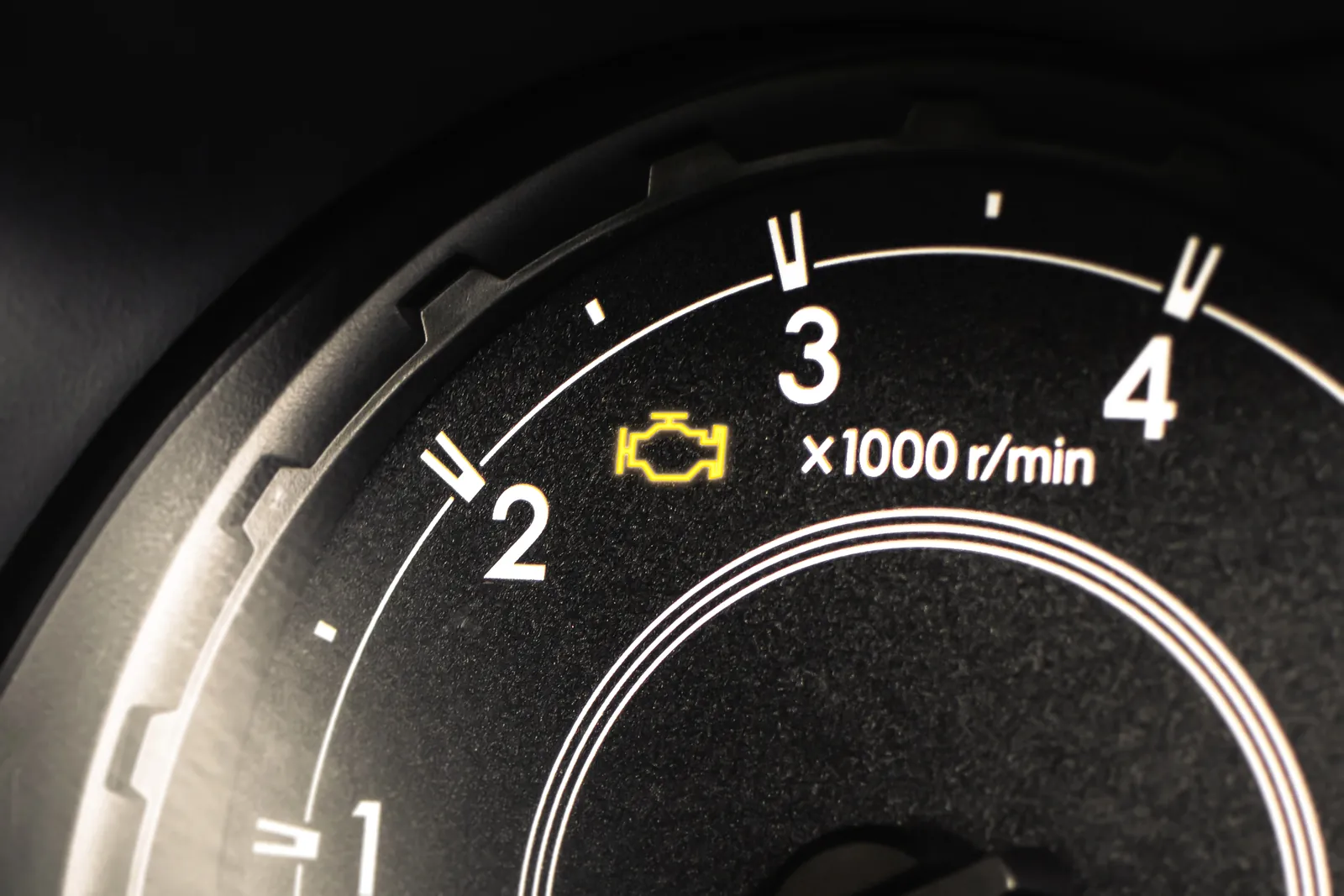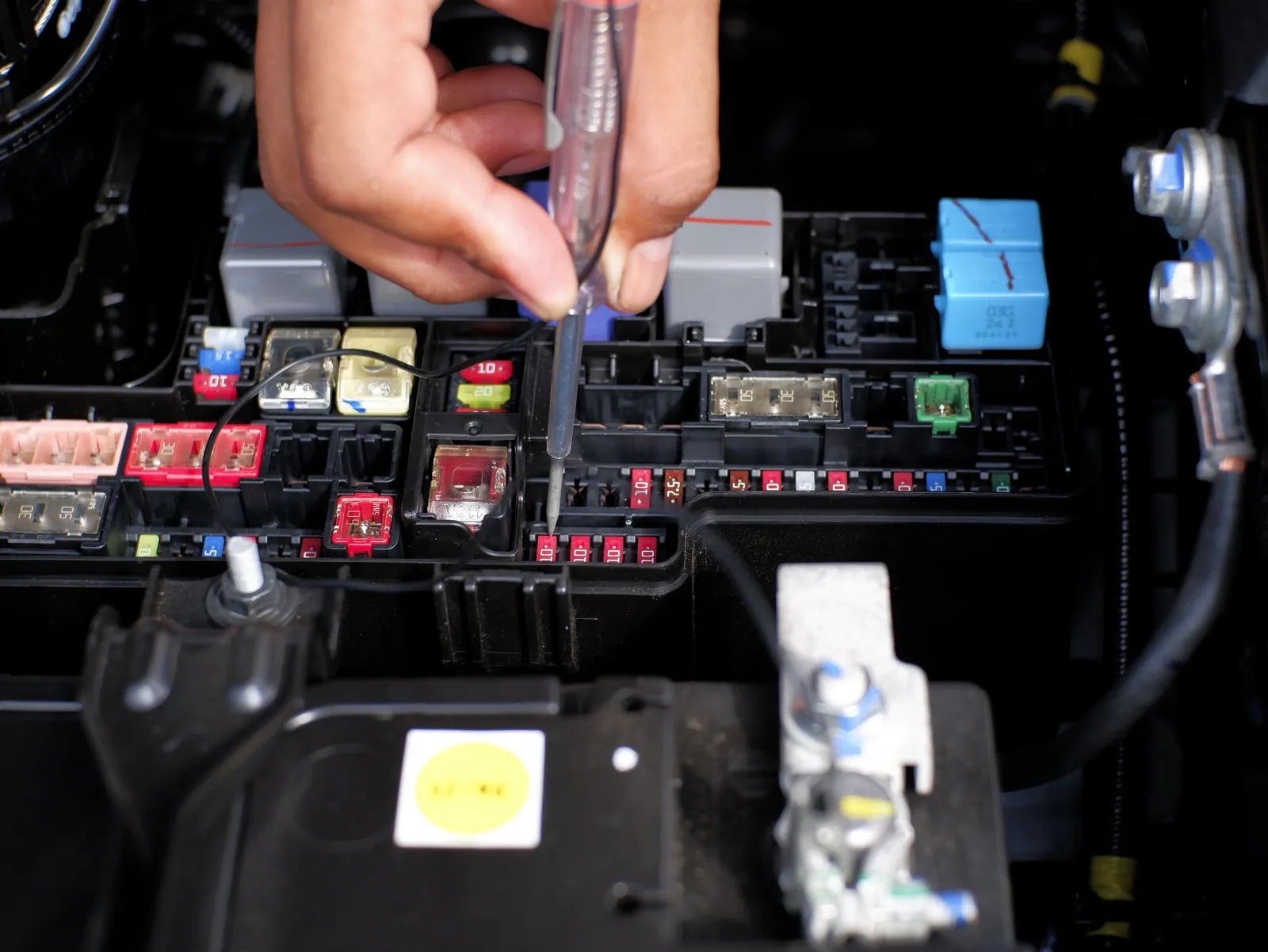
If your check engine light came back on, the car’s computer has detected a fault again and stored a code for it. It may be the same fault as before, which means it was not repaired, or a new one that happens to use the same lamp. The light looks the same either way, so the code behind it is what tells them apart.
The delay is what confuses people. After a code is cleared, the light stays off until the computer has rerun its checks and failed one again, and that can take a single drive or a good many, depending on the fault. The quiet spell in between looks like a repair that worked.
If the light is back and you want the cause pinned down, Golden Star Mobile Mechanics offers check engine light diagnosis where your vehicle is, and we test to confirm the cause before a part is replaced.
The Code Was Cleared, but the Fault Was Not Repaired
Clearing a code, or disconnecting the battery, switches the light off. It changes nothing about the car. The engine computer then starts its self-tests from the beginning, and some of them run only under particular conditions, such as a cold start, a steady cruise or a fuel tank that is neither full nor nearly empty.
On many vehicles a fault also has to show up on more than one drive before the light is turned on. So the light can stay dark for a while after a reset and then return with the same code. That is the computer catching up, and it points back to the original cause.
A Part Was Replaced, but It Was Not the Cause
A code names a system or a circuit, and the part most often linked to that code is a common first replacement. Sometimes it is the right one. When it is not, the same code comes back. A few familiar examples:
- An oxygen sensor is replaced for a mixture code that a vacuum leak was setting.
- A catalytic converter code returns because an exhaust leak, a sensor or a misfire was behind it.
- A spark plug is changed for a misfire that came from a coil or an injector.
- A gas cap is replaced for a vapor leak that is in a hose or a valve.
The right part can also be let down by what it plugs into: a corroded connector, chafed wiring or a poor ground. Less often, the new part is itself faulty or is not the correct one for the vehicle.