To read the meaning of dashboard warning lights, take the color first and the symbol second. Red is kept for trouble that can harm the car or put you at risk if you carry on. Amber or yellow marks a fault, or a condition such as low tire pressure, that needs attention soon. Green, blue and white are not warnings. They confirm that the headlights, the turn signals or the cruise control are in use.
Symbols are broadly shared between car makers, but they are not identical, and diesel, hybrid and electric vehicles add lights of their own. The owner’s manual has a page that shows each light for your car. Where it differs from this guide, the manual is right.
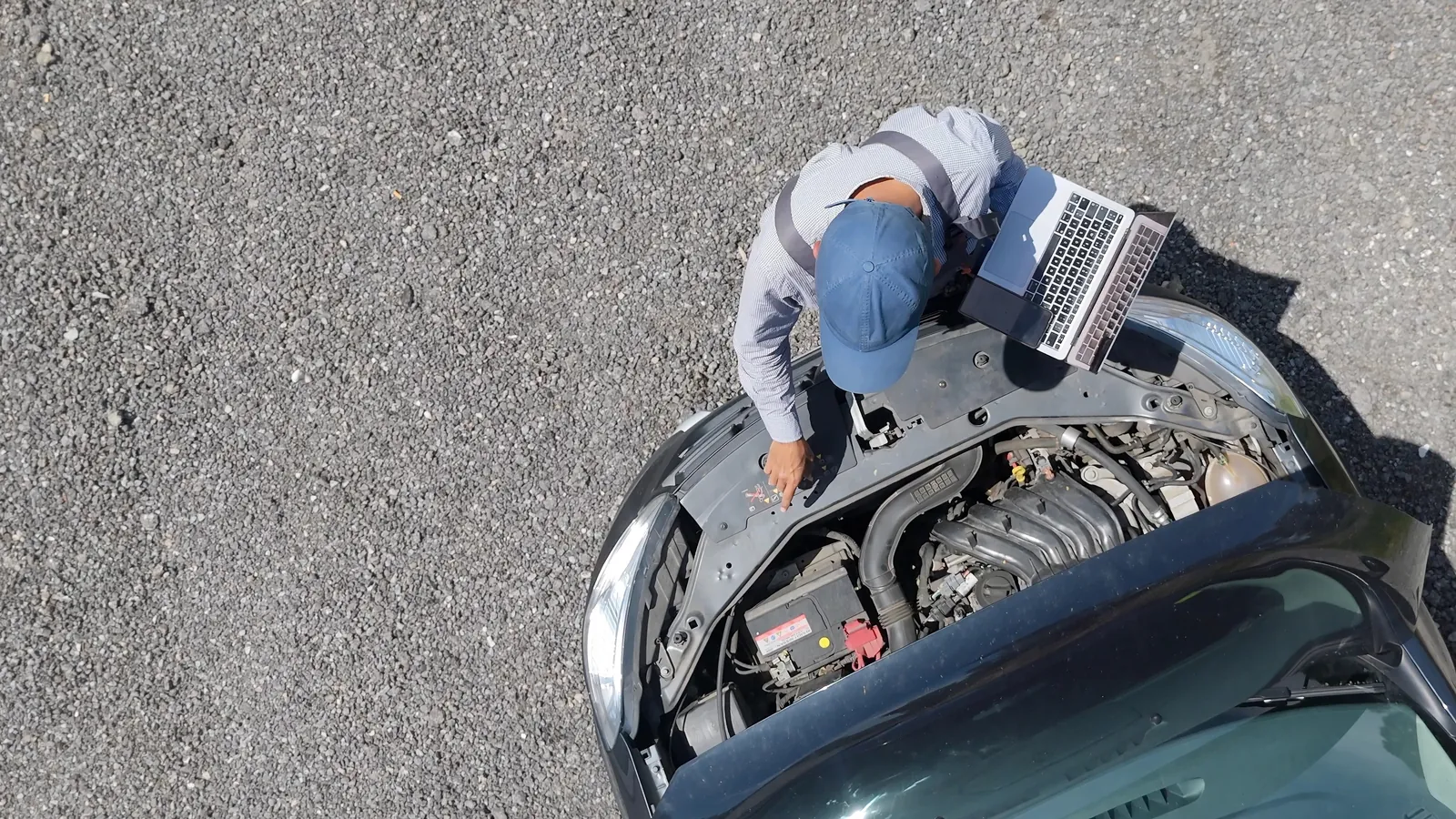
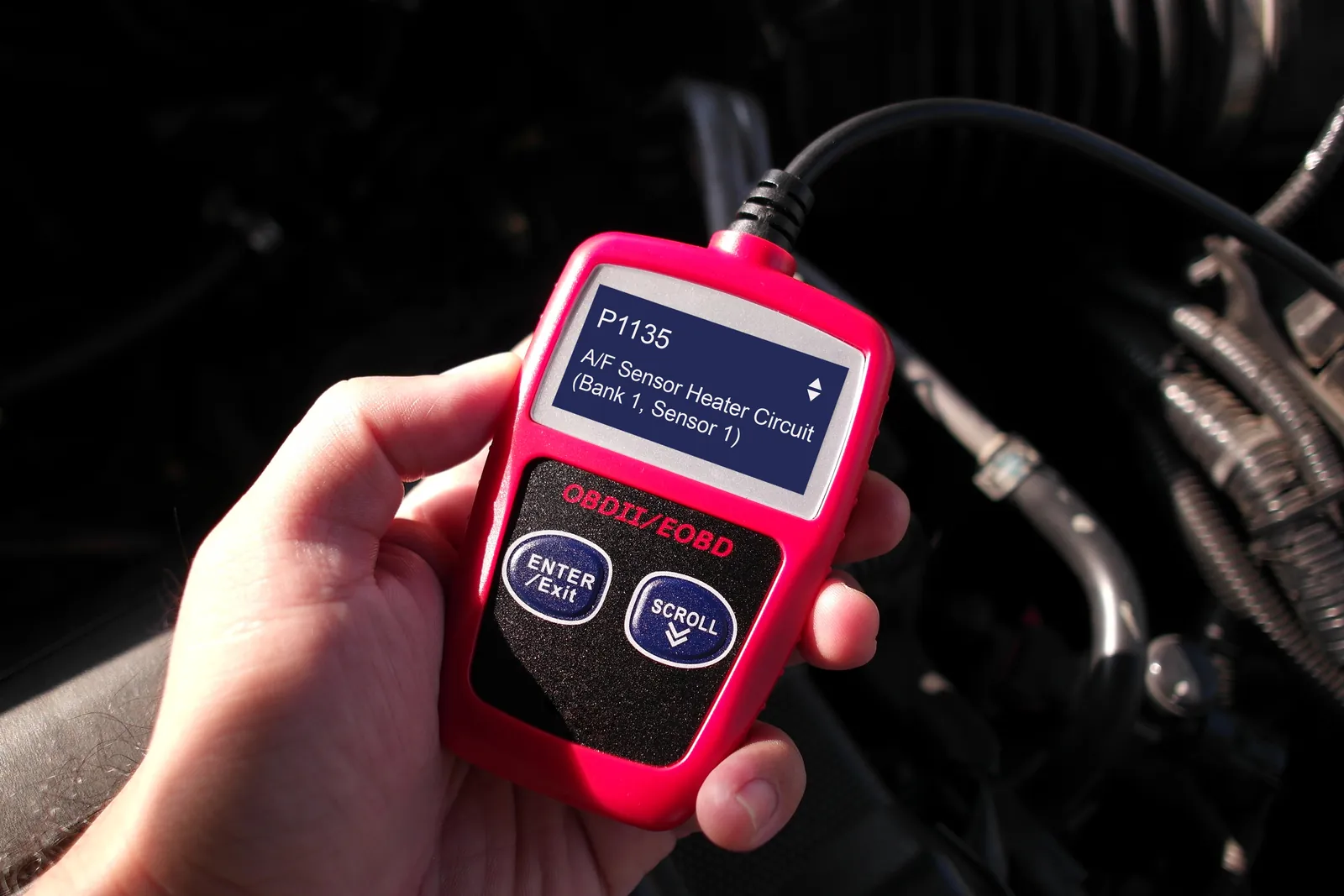
A light names the system that has detected a problem. It does not name the cause. When you need the cause found, Golden Star Mobile Mechanics comes to you, and mobile diagnostics is the service for a light that stays on.
Red Lights: Pull Over When It Is Safe
- Oil pressure, shown as an oil can. Stop the car when you safely can and shut the engine down, since running without oil pressure can damage an engine in a short time. Check the oil level as the owner’s manual describes, and do not drive on if the light stays lit.
- Engine temperature, shown as a thermometer in liquid. The engine is overheating or close to it. Park, turn it off and give it time to cool. Do not loosen the radiator cap or the coolant tank cap on a hot engine, because the coolant is under pressure and can scald.
- Battery or charging, shown as a battery outline. The charging system is not recharging the battery as it should, so the car may be living on what the battery holds and can stall when that is used up. Shut off extras such as the air conditioning and the stereo, and aim for a safe place to stop.
- Brake warning, shown as the word BRAKE or an exclamation mark in a circle. Make sure the parking brake is released. A light that stays on after that can point to low brake fluid or to a fault somewhere in the braking system. With a soft or low pedal, do not drive the car.
Amber Lights: Arrange a Check Soon
- Check engine, shown as an engine outline. The engine computer has stored a fault. Steady, it asks for a diagnosis soon. Flashing, it asks you to ease off and stop when it is safe, because a misfire can damage the catalytic converter.
- ABS. The anti-lock system has a fault. The regular brakes usually still work, but the wheels may lock in a hard stop. When the red brake light joins it, respond as you would to a red light.
- Tire pressure, shown as an exclamation mark inside a tire shape. At least one tire is low. Check the pressures against the tire label on the driver’s door jamb. If the light blinks at start-up and then stays lit, the monitoring system itself usually has a fault.
- Traction or stability control, shown as a car with wavy lines. Blinking while you drive means the system is working. Staying on means it has been switched off or has a fault.
- Airbag, shown as a seated figure with a circle, or as the letters SRS. It is red on many cars. The restraint system has reported a fault, which can keep the airbags from deploying the way they should, so arrange a check soon.