A flashing check engine light is the engine computer’s way of saying that a fault is happening now and that continued driving can cause damage. On most vehicles the fault is a misfire: one or more cylinders are not burning their fuel, and that fuel is passing into the exhaust. The right response is to take the load off the engine, get out of traffic when you safely can and stop.
Car makers do not use the light in exactly the same way, so the owner’s manual is the reference for what flashing means on your vehicle. Its advice is usually close to this: slow down, avoid hard acceleration and have the car seen before you drive it further.
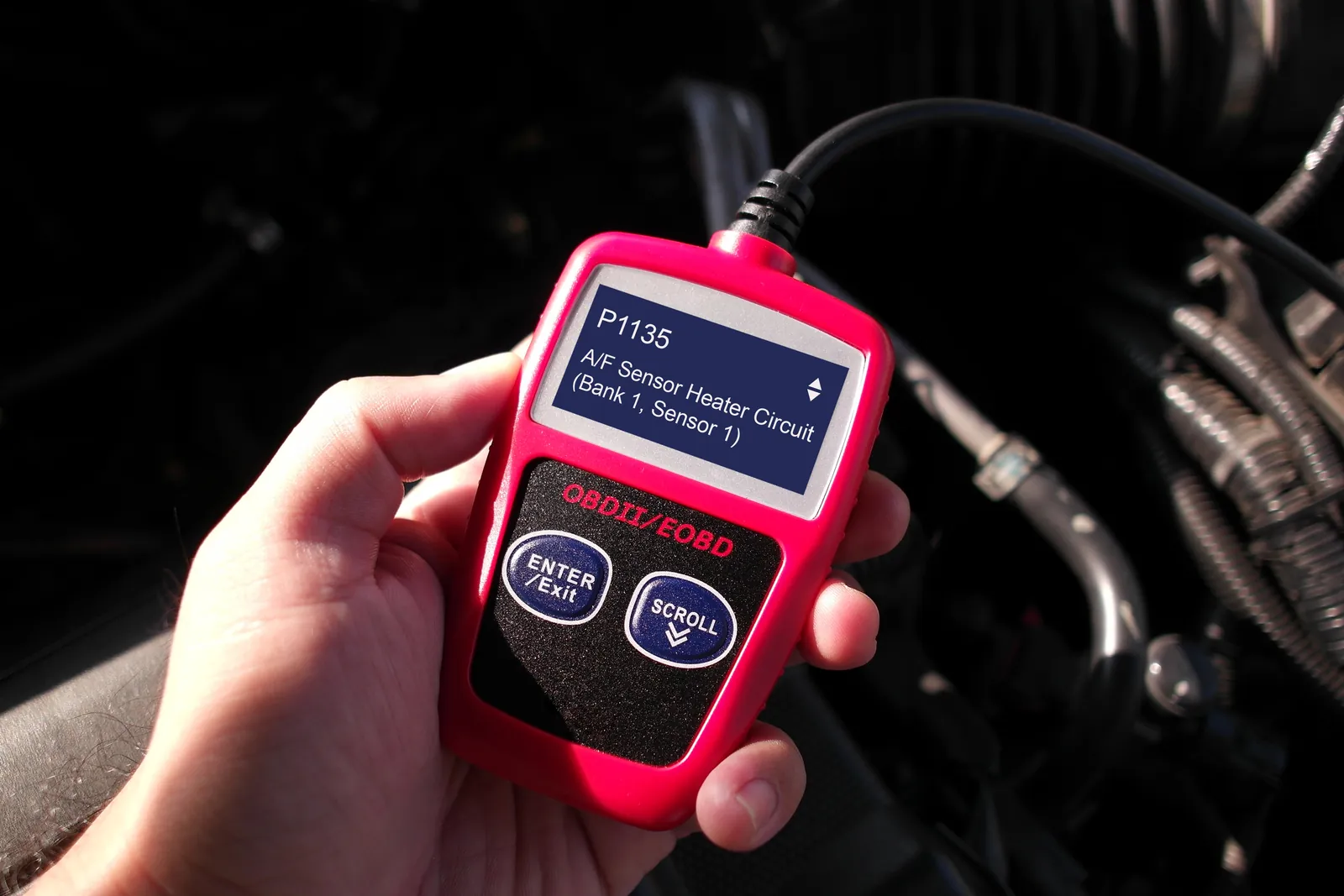
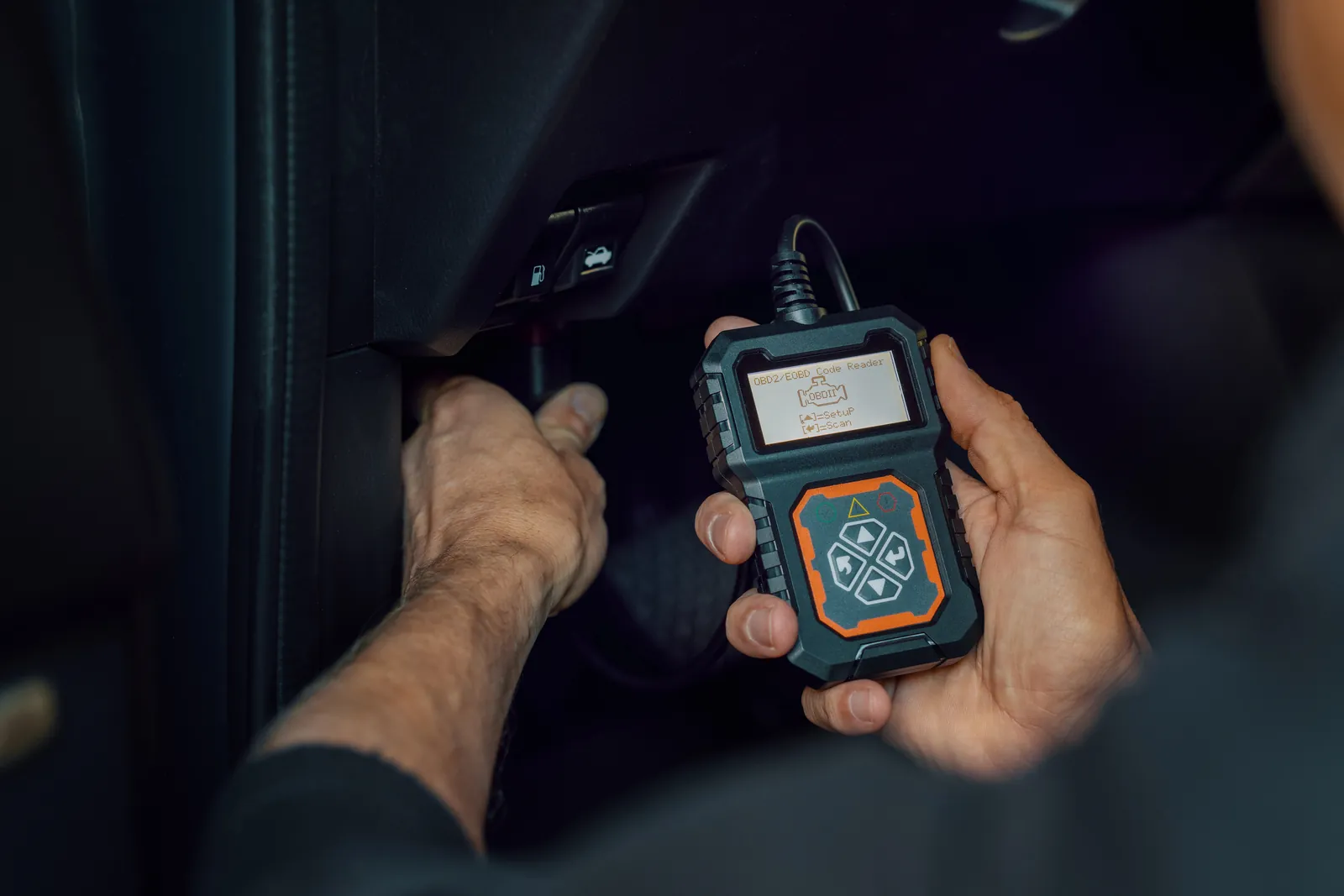
Once the car is parked somewhere safe, Golden Star Mobile Mechanics can come to it. With check engine light diagnosis at the vehicle, the cause of the fault is tested and confirmed before parts are replaced.
What to Do When the Light Starts Flashing
- Ease off the accelerator. Less speed and less load mean less unburned fuel going into the exhaust.
- Leave traffic when it is safe to do so. Take an exit, a side street or a wide shoulder, and use your hazard lights if the car is losing power.
- Park away from dry grass or leaves. An exhaust that has been fed raw fuel can be far hotter than usual.
- Check the temperature gauge and the oil pressure warning, then switch the engine off.
- Write down what happened: your speed, the weather, how the engine felt, and whether the light went back to steady.
- Have the car diagnosed where it is, or have it towed instead of driving it.
Why Flashing Is More Serious Than Steady
A steady light says a fault has been stored. A flashing light says a misfire is under way and is heavy enough to threaten the catalytic converter. The converter is built to clean exhaust gas. When raw fuel reaches it, the fuel burns there and the converter’s temperature climbs well past what it was designed for.
An overheated converter can be damaged inside and stop doing its job, and replacing one is a much larger job than repairing most of the faults that cause a misfire. A misfire also means the engine is running unevenly, which is why the car often shakes or feels weak while the light is flashing.
Sometimes the light flashes for a moment under hard acceleration and then settles back to steady. The misfire has eased. It has not gone away, and the same response applies if the flashing returns.