Opens in a new tab

Code Scan vs. Diagnosis: What a Parts-Store Scan Misses

A code scan reads the trouble codes your car’s computer has stored. A diagnosis starts from those codes and tests the car until the cause is confirmed, which a scan cannot do.

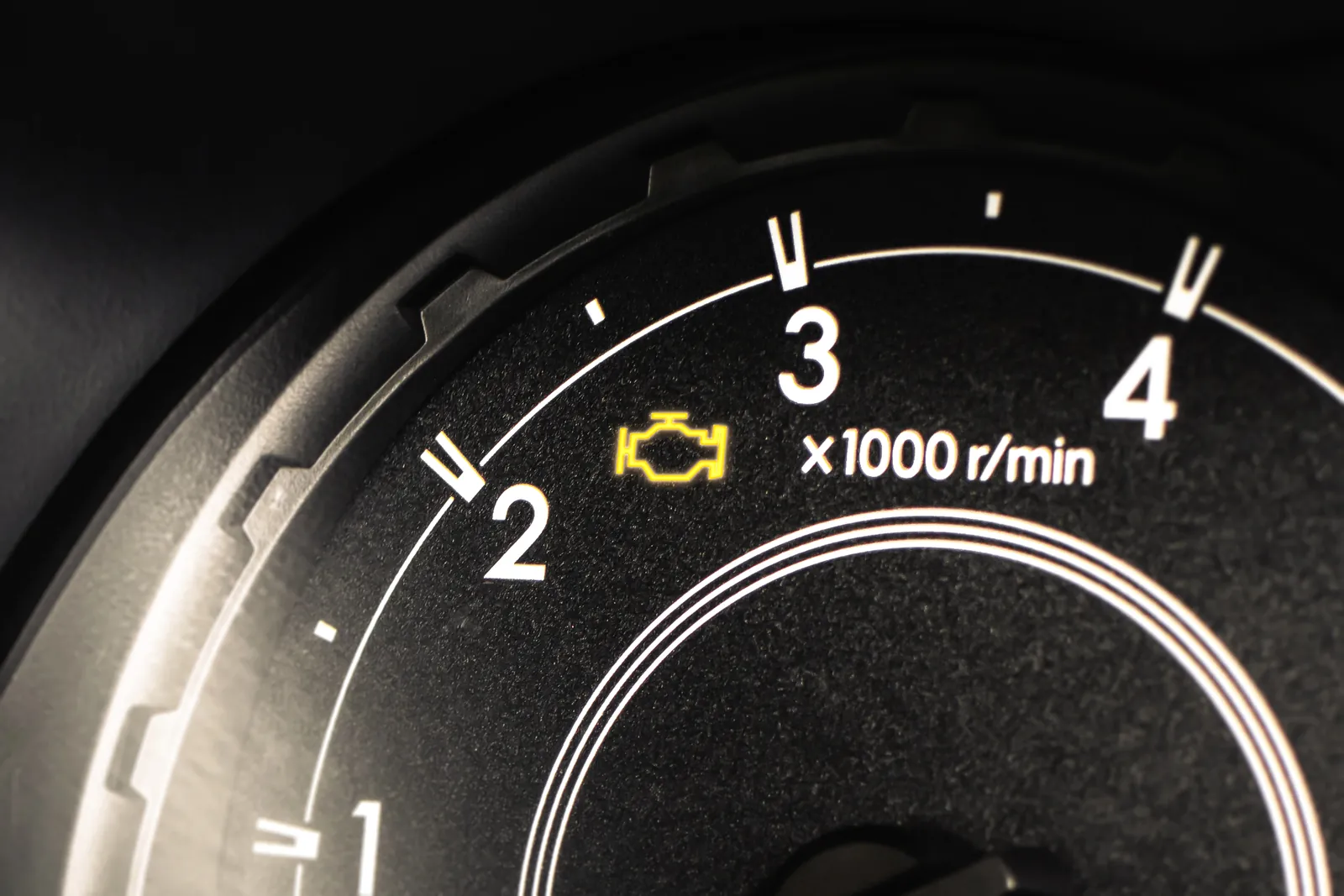
A yellow check engine warning light glowing on a car tachometer

The short version of code scan vs diagnostic is this: the scan reports what the car’s computer has stored, and the diagnostic finds out why it stored it. The reading a parts store offers at the counter as a courtesy is a scan. A handheld reader is plugged into the diagnostic port, and you leave with a code and often a printout. A diagnostic is a mechanic working from that same code toward a confirmed cause.

Both have their place. The scan is a sensible first step, and sometimes a driver needs nothing more. What it leaves open is which part, wire or leak made the computer set the code, and that gap is where parts get replaced on a guess.

For the testing that closes the gap, Golden Star Mobile Mechanics provides mobile diagnostics where your vehicle is, so the cause is tested and confirmed before parts are replaced.

What a Parts-Store Scan Tells You

The reader asks the engine computer for its stored trouble codes and shows them, usually with a line of description. Some readers also show codes the computer is watching but has not yet confirmed. The store may hand you a list of parts that are often linked to the code.

That list is drawn from other cars with the same code. It is a set of possibilities, and it says nothing about what was measured on yours. A basic reader may also reach only the engine computer, while the brakes, the airbags and other systems keep their own codes in their own modules.

Whether a store offers the reading, and how much its reader can see, varies from place to place.

What a Trouble Code Can and Cannot Say

A code is the computer’s description of something it measured: a sensor value that fell out of its normal range, a circuit that did not answer, a self-test that did not pass. It points to a system or a circuit. It does not point to a failed part.

  • A code for a lean fuel mixture might trace to a vacuum leak, low fuel pressure, a dirty airflow sensor or an exhaust leak near the oxygen sensor.
  • A misfire code names a cylinder. The spark plug, the coil, the injector and the engine’s own compression are each candidates.
  • A code for low catalytic converter efficiency can be set by a worn converter, and also by an exhaust leak, an aging oxygen sensor or an engine that has been misfiring.
  • An oxygen sensor code can mean the sensor has failed, or that it is correctly reporting a mixture problem somewhere else.

A mechanic in plain navy coveralls using a laptop at a car's open engine bay

What a Diagnostic Adds

A diagnostic begins with the driver’s account: what the car is doing, when it started and what has been replaced already. Then the testing follows the code into the system behind it.

  • Freeze-frame data, the snapshot of engine conditions the computer saved when it logged the fault, is read along with the codes.
  • Live sensor readings are watched with the engine running and checked against the values expected for that engine.
  • The suspect parts and their wiring are tested directly: voltage and resistance in a circuit, fuel pressure, leaks in the intake or the vapor system.
  • Causes that set no code are considered too, since a worn part, a leak or a noise may have no code at all.

The result is a cause that has been confirmed by measurement, which is a different thing from the likeliest part on a list.

When a Scan Is Enough, and When It Is Not

A scan can settle things when the cause is plain. A gas cap left loose after refueling is the usual example: tighten it, and the light goes out after some driving.

Go further than a scan when:

  • The light came back after a part was replaced.
  • The engine runs rough, hesitates or stalls, or the light is flashing.
  • Several codes are stored at once.
  • The problem has no code: a noise, a leak, a smell or a fault that comes and goes.
  • A warning light other than the check engine light is on.

Keep the printout either way, since the code numbers help whoever works on the car next. If you are offered the option of having the codes cleared, decline until the fault has been found. Clearing erases the freeze-frame record and makes the fault harder to trace.

When the code has raised more questions than it answered, Golden Star can diagnose the fault where the car is parked.

Have the Cause Behind the Code Tested

Send the vehicle details, the codes you were given and what the car is doing. We review the codes and symptoms you send and contact you to confirm fit and timing. Or call or text and read the codes out.