Opens in a new tab

Mobile Mechanic vs. Repair Shop: What Each Does Best

It depends on the job. A mobile mechanic brings diagnosis, maintenance and many repairs to where the car is parked, and a repair shop has lifts, fixed equipment and room to keep a car that is apart for days.

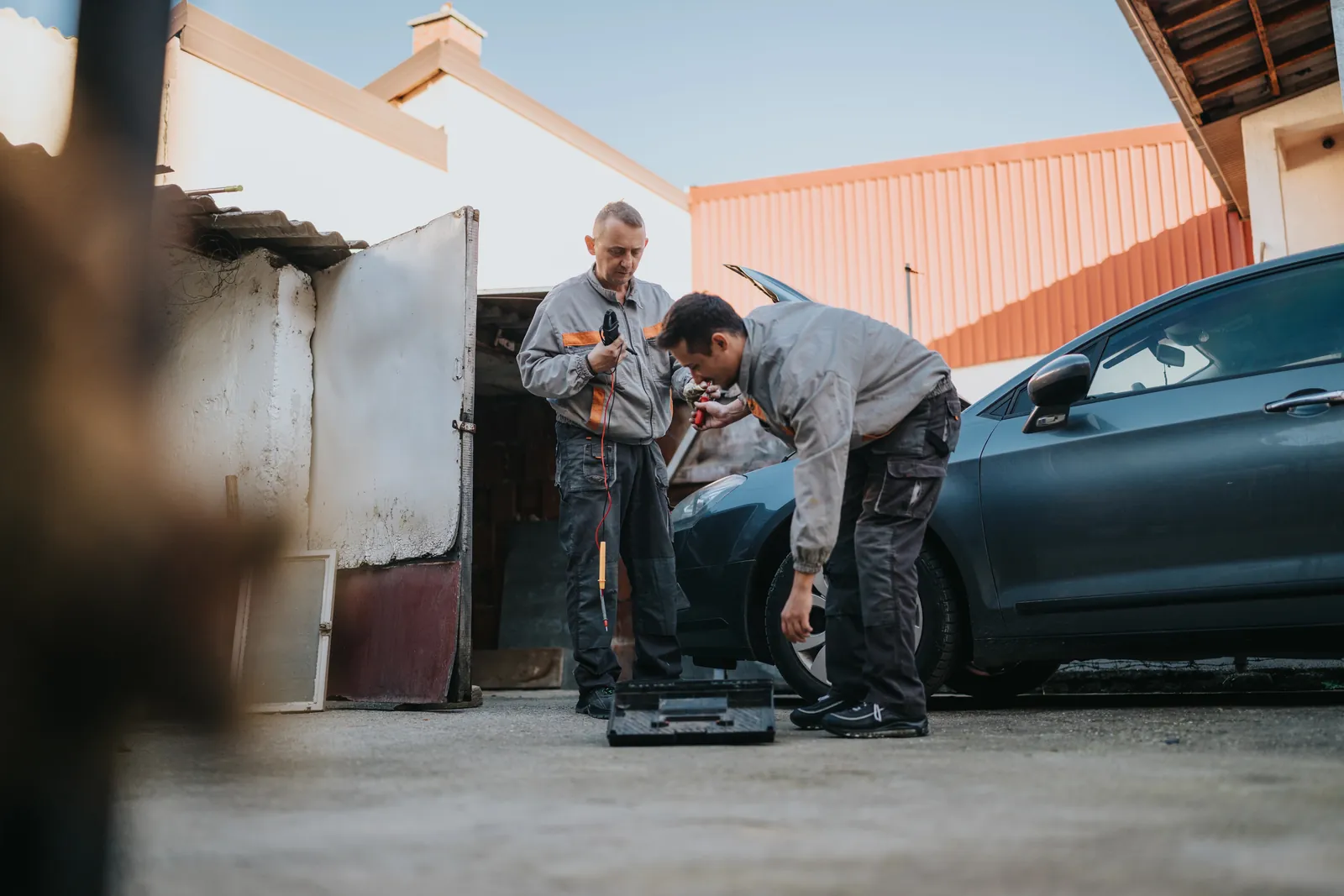
Two mechanics working beside a parked car

The mobile mechanic vs. repair shop question has no overall winner, because the two are set up for different work. A mobile mechanic comes to the car and works on it where it sits. A repair shop brings the car to its equipment and keeps it under a roof. Which one suits you comes down to what the repair needs.

This comparison is written from one side of it: Golden Star Mobile Mechanics is a team of full-service mobile mechanics. The aim here is to set out both sides plainly. For the steps of an on-site visit, see how mobile service works.

What a Mobile Mechanic Does Well

A mobile mechanic’s work starts where the car is. That counts for most when the car is the problem: it will not start, it is overheating, or a warning light makes you unwilling to drive it. The fault can be tested where the car sits, and for work done on site the car does not have to be taken to a repair shop.

Work that commonly suits a mobile visit:

  • Diagnosis of warning lights, starting problems, overheating, leaks and a battery that keeps going flat.
  • Batteries, starters, alternators and other electrical repairs.
  • Brakes, and many steering and suspension repairs.
  • Cooling system repairs such as radiators, hoses and water pumps.
  • Routine maintenance: oil changes, tune-ups, belts, hoses, fluids and filters.
  • An inspection of a used car before you buy it.

There is also the matter of who you talk to. With a mobile mechanic, the person explaining the problem is usually the person who will repair it.

What a Repair Shop Does Well

A shop is built around space and around equipment that stays in one place. A lift gives full access under the car for as long as the job takes. A car can be kept indoors, partly taken apart, while parts are on order, so a job that runs long does not leave it in pieces where you live. The work goes on under a roof whatever the weather is doing.

Work that usually belongs in a shop:

  • Jobs that need the engine or the transmission taken out of the vehicle.
  • Internal engine and transmission work that calls for a clean bench and fixed tooling.
  • Wheel alignment on a shop’s rack.
  • Collision damage, frame straightening and paint.
  • Repairs that leave a car apart and immobile for several days.

At a shop you will often deal with a service advisor at the counter while a mechanic works on the car in the bay. Many drivers like having one desk to call, and a shop can put more than one person on a large job.
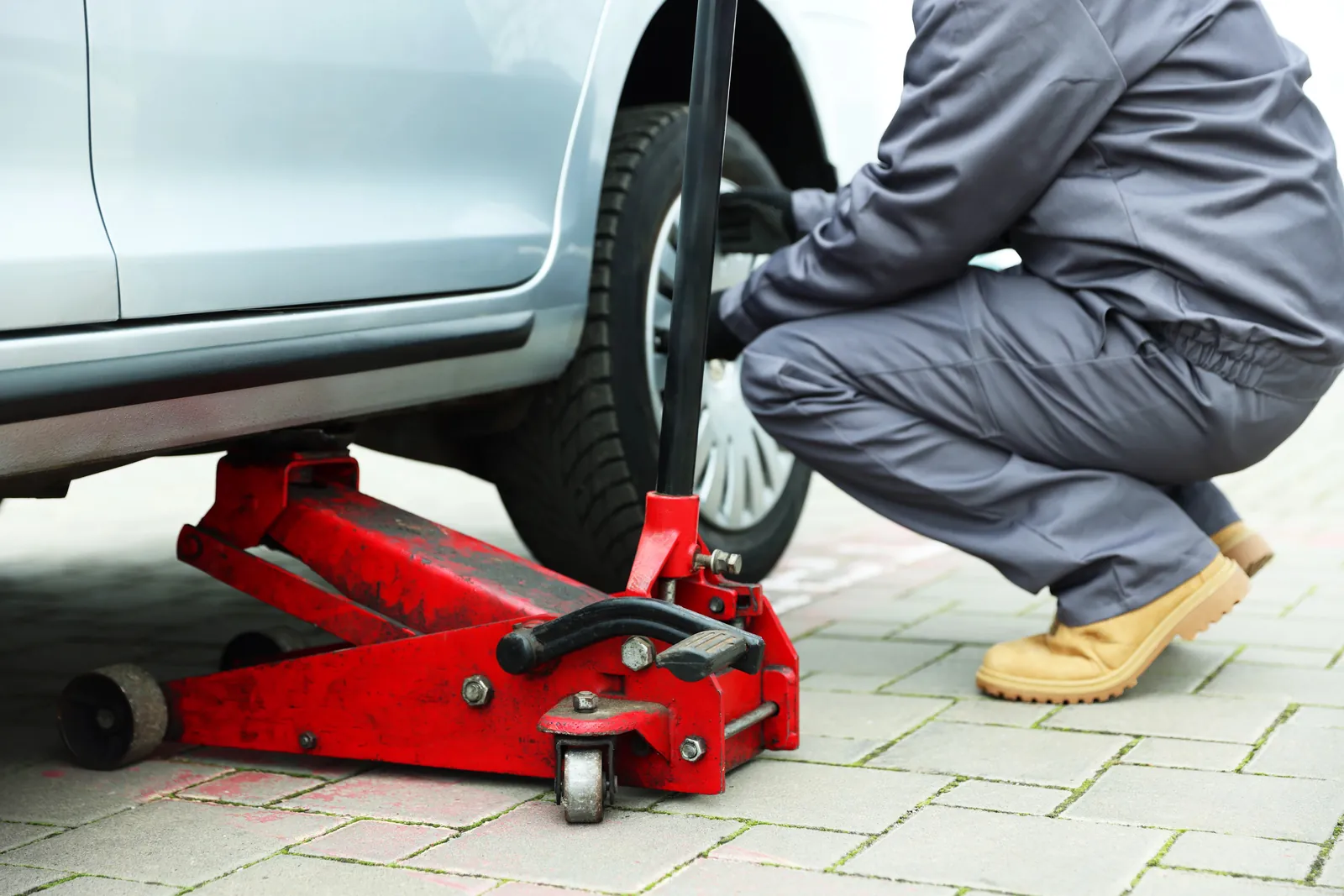
A mechanic in work boots at the wheel of a silver car jacked up on a red floor jack outdoors

How to Decide for Your Repair

Start with what the car needs.

  • If you do not know what is wrong, the first step is the same either way: a diagnosis that tests to confirm the cause. Once the cause is known, it is usually clear where the repair belongs.
  • If the repair is on the first list above, either one can do it. The choice comes down to where you want the work done and who you want to deal with.
  • If it is on the second list, a shop is the right place, and a mobile mechanic should tell you so.
  • If the car cannot be driven, a mobile mechanic can test it where it sits. Should the fault turn out to need a shop, the car will still have to get there.
  • If the property where the car is parked does not permit repairs, a shop settles the matter.

Some jobs fall between the two lists. A repair that is simple on one model can call for far more disassembly on another, so the same job may suit a mobile visit for one car and a shop for the next.

Questions Worth Asking Either One

  • Will the cause be tested and confirmed before parts are replaced?
  • Will I get a written estimate before work begins?
  • Will you wait for my approval before starting, and before adding to the job?
  • Who will I be dealing with, and who does the work?
  • If the job turns out to need more than you can do, what happens next?

Here is how Golden Star answers them. We test to confirm the cause before parts are replaced, and you get a written estimate before work begins. Your approval is required before any work starts and before anything extra is added. And you deal directly with the mechanic doing the work.

On the last question: many repairs are completed during the first visit when parts are available, and some jobs need a return visit. When a repair cannot safely be completed on site, we will say so, and that job may need a shop.

The visit, step by step shows how that plays out from request to repair.

Not Sure Where Your Repair Belongs?

Tell us the vehicle, where it is and what it is doing. We review the job you describe and contact you to confirm fit and timing. Call or text if you would like to ask first.