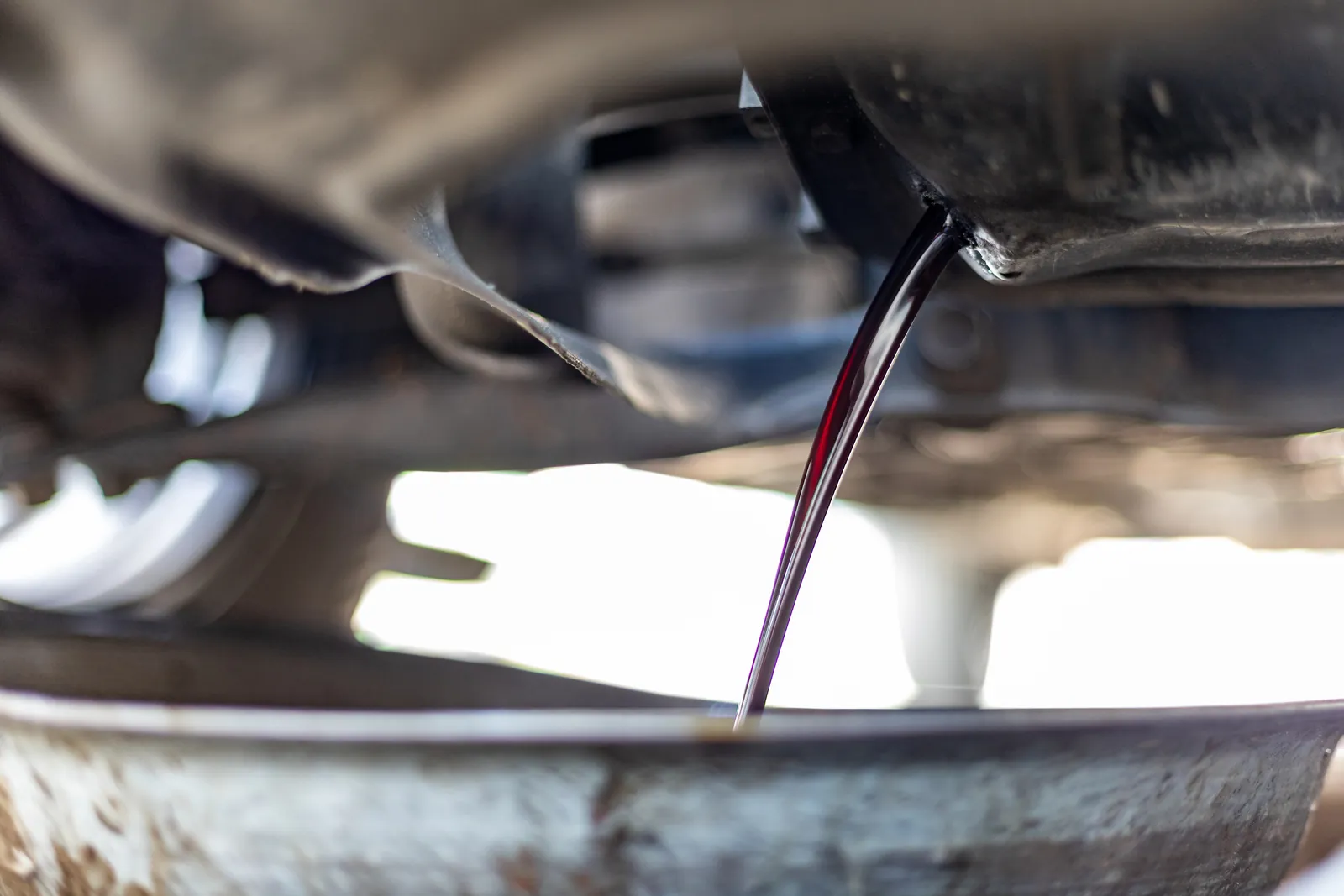
The right oil change interval in a hot climate depends on the engine, the oil it calls for and how the car is used, so no single figure fits. What can be said is that many owner’s manuals print a shorter interval for harsh conditions, and ordinary desert driving often meets that description.
Manuals usually state the interval as a mileage and a time limit, and the oil is due at whichever arrives first. A car that covers little ground still reaches the time limit, because oil ages in the engine even when the odometer barely moves.
When the oil is due, Golden Star Mobile Mechanics comes to your vehicle. A mobile oil change is done on site, so it does not require taking the car to a repair shop.
What Severe Service Means
The severe schedule has little to do with driving hard. It describes conditions that wear oil out sooner, and manuals commonly list these:
- Repeated short trips, where the engine is shut off soon after it starts.
- Slow, stop-and-go traffic and long periods of idling, especially in hot weather.
- Dusty roads or blowing dust.
- Pulling a trailer, carrying heavy loads or climbing long grades.
Some manuals call it special operating conditions. If yours lists heat, dust, idling or short trips and your driving matches, the shorter interval is the one that applies.
What Heat Does to Engine Oil
Oil reacts with oxygen, and heat speeds that reaction up. As it oxidizes, oil thickens and leaves sludge and varnish inside the engine. The additives that fight wear and hold dirt in suspension are used up sooner as well.
A healthy cooling system keeps the engine near its normal temperature even in a Las Vegas summer. The oil still runs hotter when the air is hot, the air conditioning is working hard and the car is crawling in traffic or climbing a grade.
Hot running can also raise the amount of oil an engine uses between changes, which is why the level matters as much as the date of the last change.
Dust, Short Trips and Idling
Dust is the desert’s other contribution. The air filter stops most of it. What gets past, through a poorly seated filter or a small leak in the intake ducting, reaches the engine, and some of it ends up in the oil as fine grit. The oil filter can only hold so much, so in dusty conditions the air filter deserves a look at each oil change.
Short trips work differently. Each cold start sends a little fuel and moisture past the piston rings into the oil, and it takes a long drive to get the oil hot enough to clear them. Engines warm up sooner in hot weather, but a run of short trips still lets them build up.
Idling is the one the odometer misses. An engine idling with the air conditioning on is working, and its oil is aging, while the mileage stays the same.
Oil Life Monitors and Synthetic Oil
Many newer cars calculate their own oil change point and show a reminder when it arrives. These systems commonly work from how the engine has been run, such as starts, temperatures and load, instead of testing the oil itself, and dust is something they cannot see. The manual explains how yours works and whether it expects an earlier change in dusty conditions.
Synthetic oil resists heat better than conventional oil, and many current engines require it. It does not keep dust or fuel out of the oil, so the interval in the manual still applies. Use the viscosity grade and the specification the manual lists. A thicker oil is not an upgrade for hot weather unless the manual offers it as an option.
Between Oil Changes
Check the oil level from time to time, following the method in your manual. Some cars have a dipstick and others show the level on the dash.
- A level near or below the low mark means oil should be added and the reason found.
- Dark oil is not a sign of worn-out oil by itself. Oil darkens as it does its job.
- Oil that looks milky, feels gritty or smells of fuel should be checked before the next scheduled change.
- A red oil pressure warning light is different from a service reminder. Stop as soon as it is safe, switch the engine off and leave it off until the cause is known.
A level that keeps dropping, with or without spots under the car, points to a leak or to oil being burned. Leaks are among the symptoms that mobile diagnostics covers.
When the interval in your manual comes around, Golden Star can change the oil where the car is parked.