Opens in a new tab

Is It Safe to Drive With the Check Engine Light On?

A steady check engine light on a car that drives normally usually allows careful driving for a short while before it is looked at. A flashing light, or one that comes with shaking, lost power or a rising temperature gauge, means pull over when it is safe and stop.

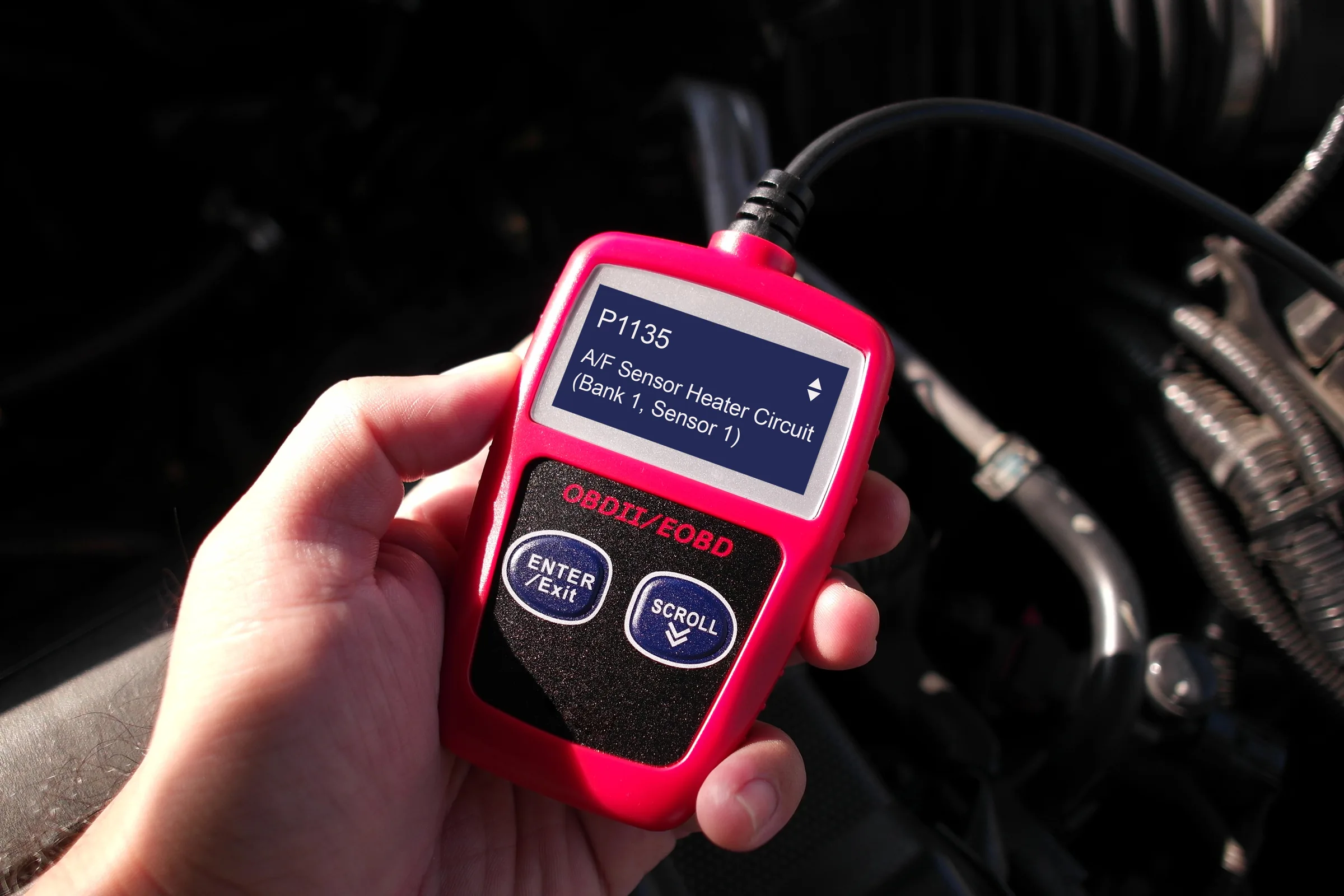
A hand holds an OBD2 scan tool displaying an engine fault code beside the engine bay

Whether it is safe to drive with the check engine light on comes down to what you can observe: is the light steady or flashing, and is the car behaving the way it normally does. With a steady light and a car that starts, idles and accelerates as usual, it is generally reasonable to finish the trip and arrange to have it checked. With a flashing light, or a steady one joined by shaking, a loss of power, a climbing temperature gauge or an oil warning, stop where it is safe and shut the engine down.

The light cannot tell those cases apart for you. It reports that the engine computer has recorded a fault, and the same lamp covers faults that are minor and faults that are not. Treat what follows as a way to judge the risk. It is not a promise that the car is fine.

To find out what set the light, Golden Star Mobile Mechanics can come to the car for check engine light diagnosis. The stored codes are read first, and then the system behind them is tested to confirm the cause.

Steady or Flashing

A steady light means the computer has logged a fault and can still keep the engine running within limits it is able to manage. Loose gas caps, aging sensors, small vapor leaks and mixture problems tend to show up this way.

A flashing light is a different message. On most vehicles it signals a misfire strong enough to push unburned fuel into the exhaust, and that fuel can overheat the catalytic converter. The owner’s manual explains how your model uses the light.

Signs That Mean Stop Driving

Stop somewhere safe and turn the engine off when the check engine light comes with one or more of these:

  • The light is flashing, or it flashes when you accelerate.
  • The engine shakes, stumbles or has lost a noticeable amount of power.
  • The temperature gauge is climbing toward hot, or a temperature warning has appeared.
  • The oil pressure warning is on.
  • You smell raw fuel or something burning, or you see smoke or steam.
  • There is a new knocking, rattling or banging noise from the engine.

In those cases the car should be diagnosed where it stopped, or moved without being driven. Carrying on can turn a fault that was repairable into engine or exhaust damage.
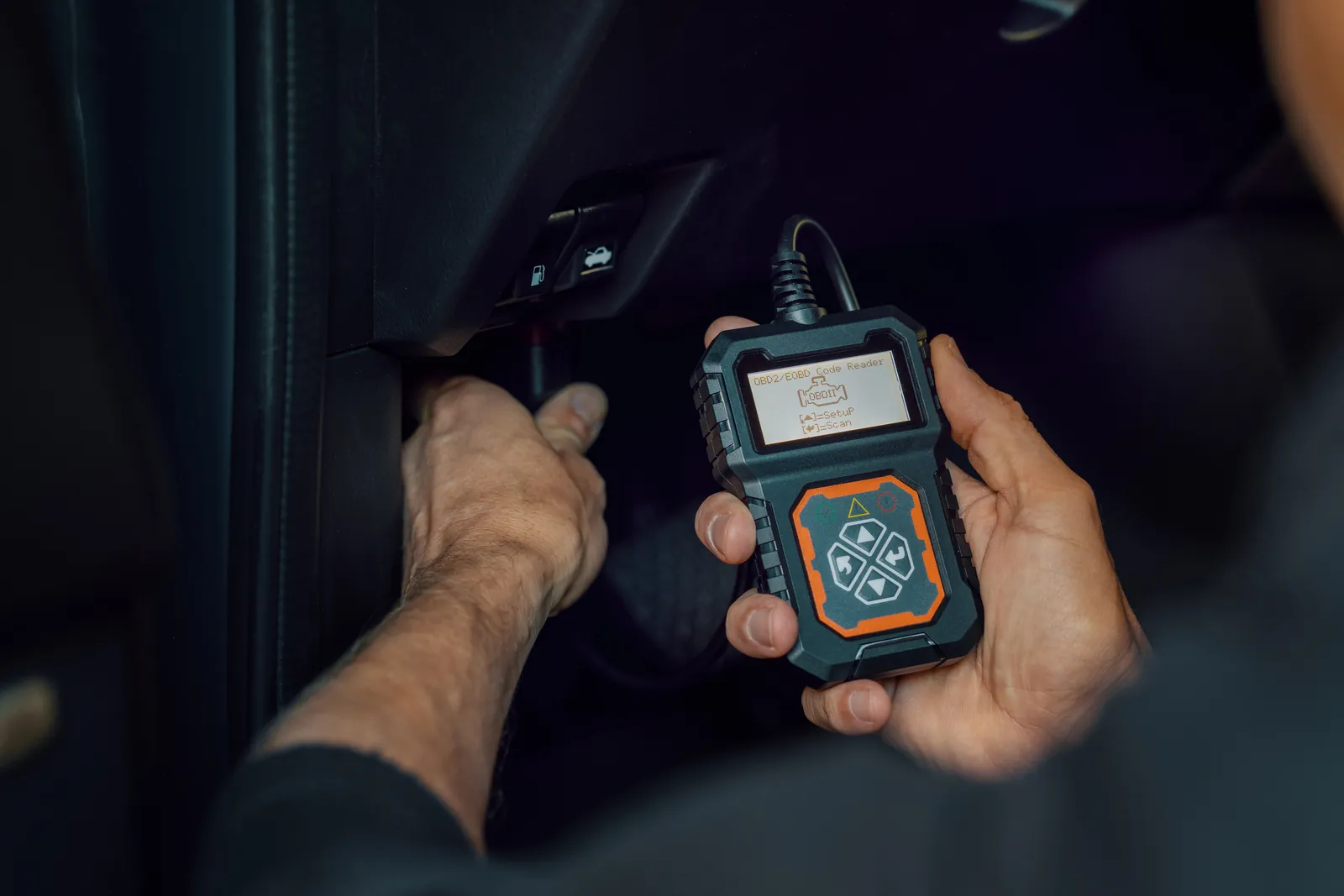
Hands holding an OBD2 code reader plugged in below the dashboard

When a Steady Light Usually Allows Careful Driving

If the light is steady, the gauges read normally and the car feels the way it did yesterday, it is usually reasonable to keep driving for a short while. Go gently in the meantime: moderate speeds, light acceleration, and no heavy loads or trailers.

The short while matters, because some faults grow. A mild misfire or a mixture that is too rich can wear out the catalytic converter over time. And a light that is already on cannot warn you about a second problem.

What You Can Check Yourself

  • Look at the rest of the dash first. Confirm that the temperature gauge reads normally and that no oil warning is showing.
  • Make sure the gas cap is on and turned until it clicks. A loose or worn cap is a common, minor cause, and the light can take several drives to go out afterward.
  • Notice how the engine runs. A rough idle, hesitation, a change in sound or a fuel smell is worth writing down.
  • Think about when the light appeared: just after refueling, on a cold start, in heavy rain or at highway speed.
  • Let the stored codes be. Erasing them with a reader, or pulling a battery cable to put the light out, wipes the record a mechanic uses to trace the fault.

Why a Code Reading Is Only Part of the Answer

Many parts stores will read the stored code for you, and it is a useful first clue. A code tells you which system the computer flagged and how it described the fault. It does not name the part that failed, because more than one fault can produce the same code.

A diagnosis picks up where the code leaves off. A mechanic starts with the snapshot the computer saved at the moment of the fault, then watches the sensors with the engine running and checks the components and wiring involved. That turns a judgment about the light into an answer about the car.

When you are ready for that answer, Golden Star can diagnose the check engine light where the car is parked. For a symptom with no light behind it, mobile diagnostics covers the wider range of checks.

Find Out What Turned the Light On

Tell us the vehicle, whether the light is steady or flashing and how the car is driving. We go through what you have noticed about the light and the way the car runs, then contact you to confirm fit and timing. To describe the light out loud instead, call or text.