What to do when your car overheats comes down to a short list: get off the road safely, shut the engine down, and keep the cooling system sealed until it has cooled. An engine that keeps running while it is overheated can be badly damaged. The cooling system is also under pressure when hot, which is why the cap stays on.
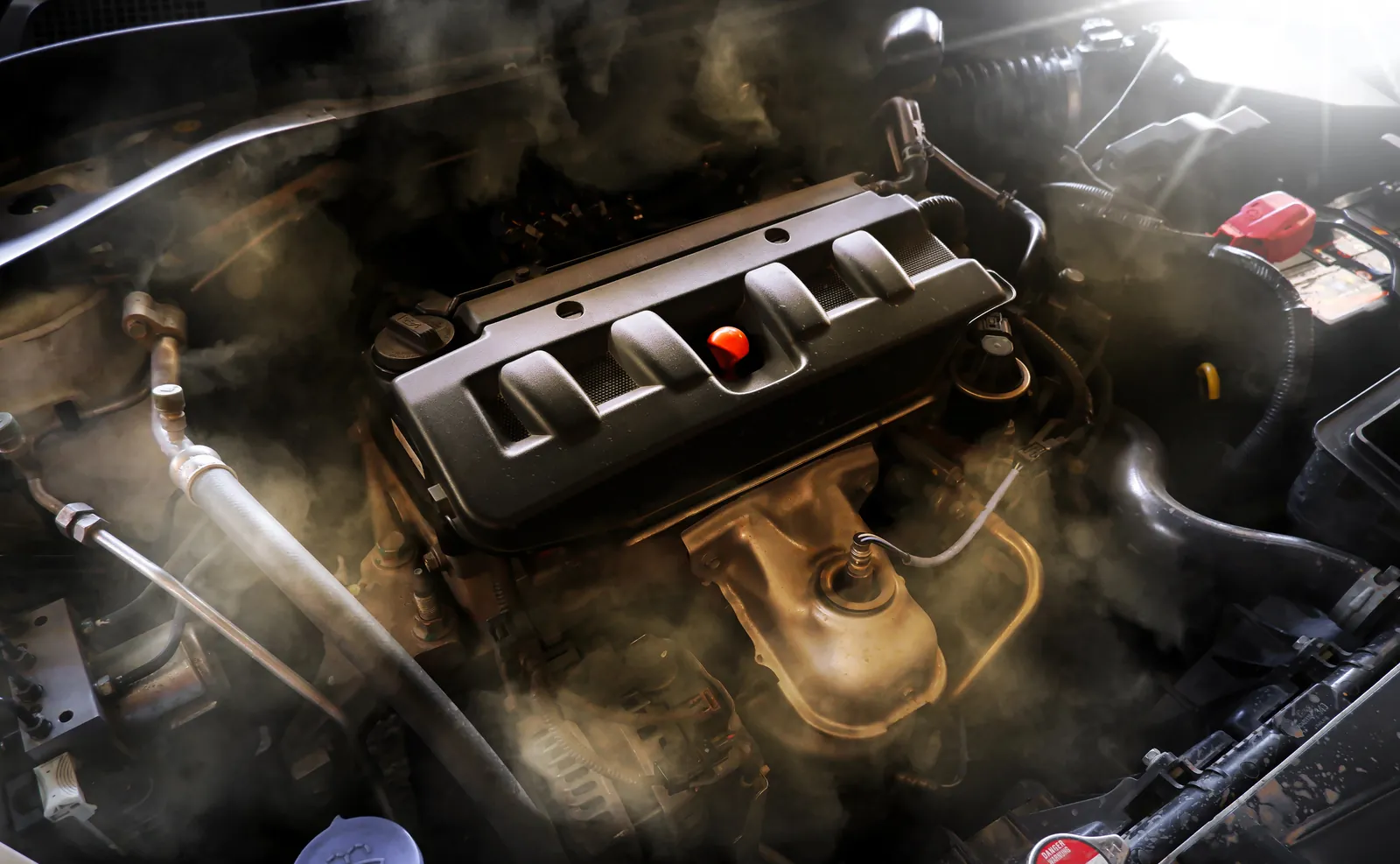
The warning usually comes from the temperature gauge climbing toward the hot end, a red temperature light or a message on the dash. Steam from under the hood or a sweet smell usually means coolant is escaping.
Once the car is stopped and safe, the question becomes why it happened. Golden Star Mobile Mechanics is a team of mobile mechanics that comes to you for car overheating repair. We confirm the cause by testing the cooling system before replacing parts.
The First Steps, in Order
- Switch the air conditioning off. If the gauge is rising but not yet at the hot end, turning the heater to full heat with the blower at its highest setting carries some heat away from the engine while you look for a place to stop.
- Pull over where it is safe, well clear of traffic, and turn the engine off.
- Keep your hands off the radiator cap and the cap on the coolant reservoir. The coolant inside is hot and pressurized, and it can spray out and scald.
- If steam is coming from under the hood, wait until it stops before you raise the hood.
- Give the engine time to cool. How long that takes varies with the engine and the weather, and it is longer on a hot day.
What Not to Do
- Do not press on toward home with the gauge at hot. The extra distance is where engine damage tends to happen.
- Do not pour cold water onto or into a hot engine. A sudden change in temperature can crack metal parts.
- Do not treat a top-up as the repair. Coolant that was low went somewhere.
Once the Engine Has Cooled
With the engine cool, look at the coolant level in the plastic reservoir and compare it with the marks on its side. Look under the car and around the hoses for wet spots or dried, crusty residue.
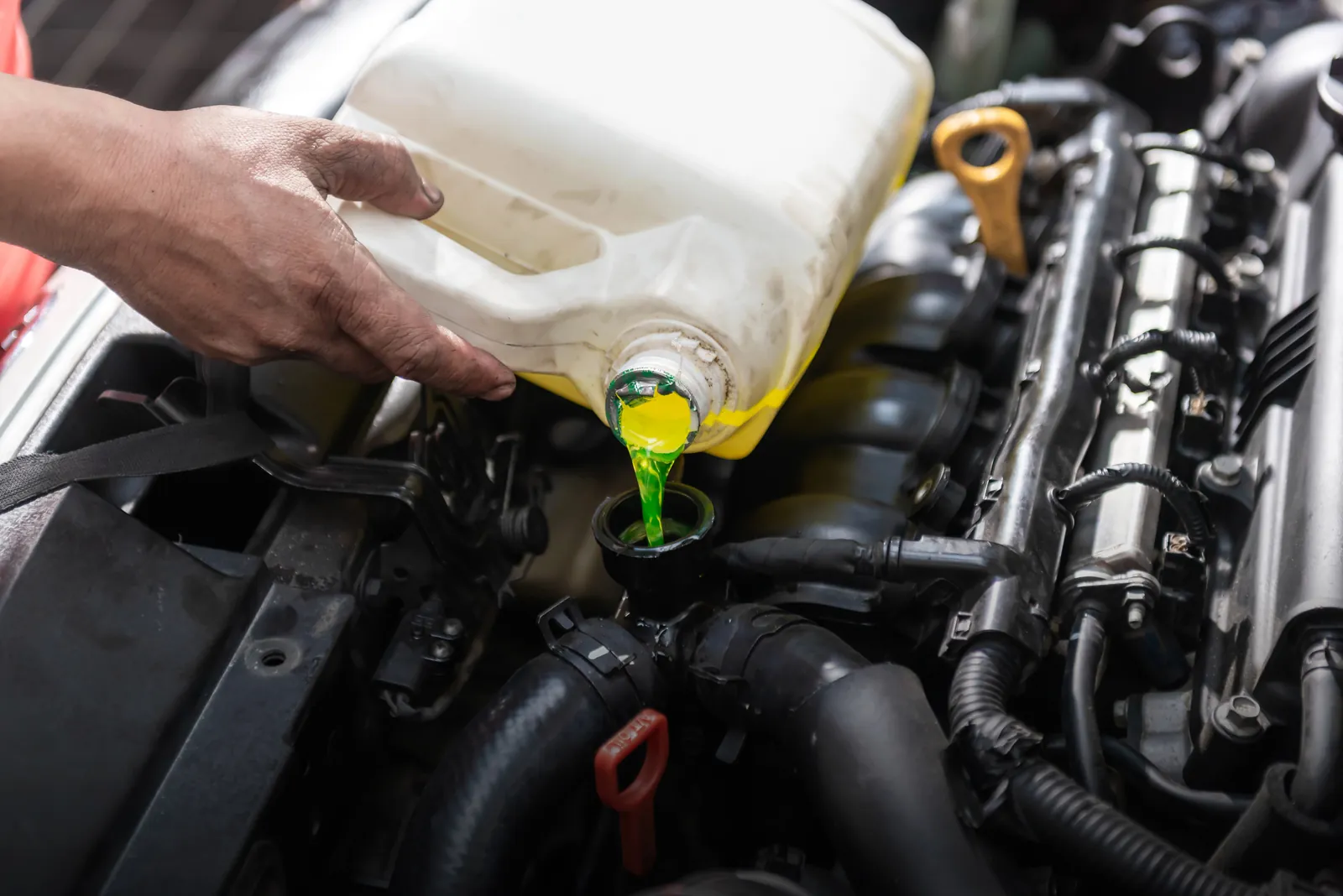
If the level is low, the owner’s manual shows where and how to add coolant. Plain water can stand in for a short while if it is what you have, and the mix should be put right afterward.
If the gauge then stays in its normal range, a short drive to a safe place may be possible while you watch it. If it climbs again, stop. Leave the car where it is if coolant is running out onto the ground, the engine runs rough, or you see white smoke from the exhaust.
Why It Happened
Overheating has several possible causes, and the gauge does not say which one applies:
- Low coolant, usually from a leak at a hose, the radiator, the water pump or the cap.
- A thermostat that has stuck closed.
- A cooling fan that does not run, which tends to show up at idle and in slow traffic.
- A water pump that leaks or no longer moves coolant, or a belt that slips or has broken.
- A radiator choked with scale inside or covered with debris outside.
- A head gasket fault, which can be a cause of overheating or a result of it.
What to Tell the Mechanic
The details of the moment narrow the search:
- Where it happened: in traffic, at highway speed, on a climb or with the air conditioning on.
- How the heater behaved. Cool air from the heater while the gauge reads high can mean the coolant is low or not circulating.
- What you saw: steam, a warning light, or a puddle and the color of the fluid in it.
- How often coolant has been added lately.
A car that has overheated tends to do it again until the cause is repaired. Golden Star can diagnose the overheating where the car is parked. A warning light with no clear cause is a job for mobile diagnostics.